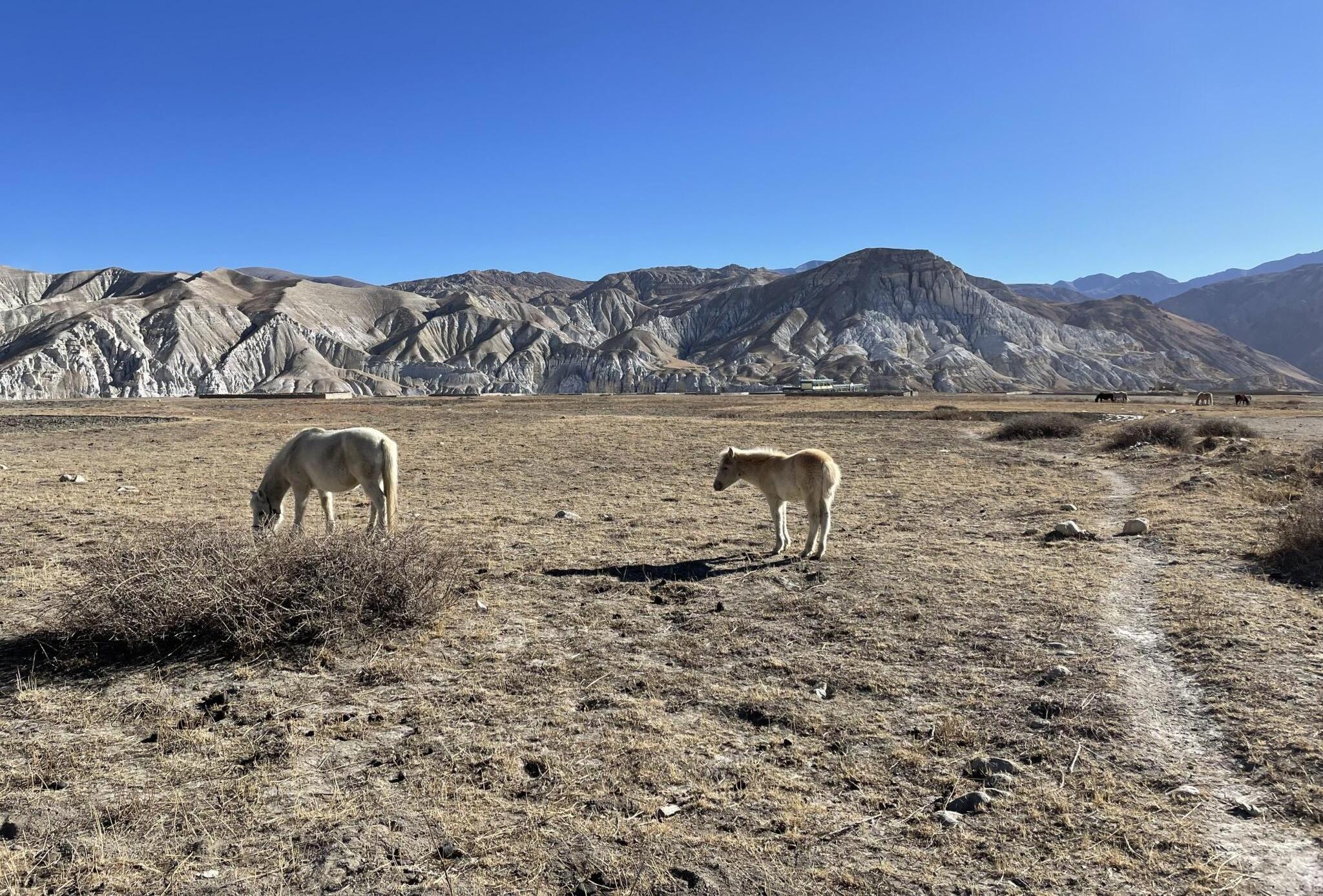

At the onset of the coronavirus pandemic, the world witnessed remarkable transformations. For the first time in many years, citizens of India glimpsed the majestic Himalayan mountains, previously obscured by pollution. Wildlife emerged from hiding, prompting a heightened awareness of our environmental impact.
As we move forward, it is essential to retain the few positives garnered from this challenging period. Preventing the emergence of new diseases exacerbated by deforestation, urbanization, loss of biodiversity, and climate change remains vital.
Numerous destinations globally have championed environmental preservation and climate action for years, while others are just beginning their journey. For those seeking sustainable travel experiences, here are five commendable destinations.
Bhutan
Bhutan uniquely assesses its prosperity through the happiness of its citizens, demonstrating to the world that sustainable living is achievable. Recognized as the globe’s only carbon-negative country, Bhutan’s status is significant.

Since opening its doors to tourism in 1974, Bhutan has committed 60% of its land to forests, housing unparalleled beauty for exploration. The country exemplifies a sustainable tourism model focusing on low volume with high value to preserve its culture and minimize environmental impact.
Moreover, Bhutan is a haven for adventure seekers, offering activities such as rock climbing, white-water rafting, and trekking that cater to all explorers.
Costa Rica
Costa Rica has emerged as a global leader in sustainability, earning recognition as the UN Champion of the Earth in 2019 for its fight against climate change. Impressively, 93% of its energy is generated from renewable sources, and 30% of its national territory is conserved.
Historically, however, Costa Rica experienced a drastic reduction in forest cover, plummeting from 75% to 21% due to misguided agricultural policies. Recognizing the unsustainability of this approach led to significant reforms, restoring fertility to soils, improving water quality, and enhancing the well-being of citizens.

The government initiated support for sustainable projects, creating national parks, promoting organic farming, and encouraging ecotourism. Boasting incredible biodiversity, including sloths, Costa Rica is a true ecological treasure.
The Certification of Sustainable Tourism enables businesses to adopt sustainable practices, aimed at ensuring the widespread use of recycled materials, proper waste management, and energy efficiency. This initiative allows tourists to identify eco-friendly businesses easily.
Switzerland
Switzerland consistently ranks among the world’s top sustainable countries, celebrated for its lush forests and breathtaking landscapes which require preservation.
The nation leads in sustainable initiatives, evidenced by being home to the most sustainable city globally (as of 2016) and supporting climate refugees displaced by natural disasters exacerbated by climate change.

For those eager to immerse themselves in nature, Switzerland hosts the oldest and wildest National Park in Europe, while creating more green spaces. Volunteers, known as “mountain cleaners,” actively remove litter left by negligent visitors.
Travelers might consider staying on a Swiss farm, which offers a more budget-conscious, meaningful alternative to traditional accommodations, as suggested in various travel resources.
Denmark
Denmark is regularly recognized as a top sustainable country yearly. For the Danes, sustainability encompasses renewable energy, efficient water management, effective waste recycling, and green transportation.
Samso Island achieved 100% sustainability in 2007, utilizing renewable energy and committing to waste reutilization.

When choosing accommodations or dining options, look for establishments displaying the Green Key symbol, indicative of sustainability practice adoption. Denmark’s biking culture encourages exploration through slow travel, enhancing the overall experience.
Iceland
Iceland stands out for its commitment to renewable energy, sourcing 100% of its electricity and 70% of its total energy consumption from sustainable resources. Furthermore, the country employs sustainable farming and fishing practices, with most vegetables grown in geothermally heated greenhouses.

While Iceland may not be a budget-friendly destination, it excels in ecotourism. Rent an electric vehicle for your travels and find unique accommodations powered by renewable energy. The unspoiled beauty of Icelandic nature is an awe-inspiring sight to behold.
Concluding Thoughts
Regardless of your chosen destination, it is wise to investigate their ecotourism and sustainability efforts. Numerous countries aspire to foster a more environmentally focused lifestyle, paving the way for a brighter future. Among these, the five highlighted here promise exceptional experiences for any traveler seeking sustainable adventures.