Natural wonders in the Philippines
*Featured guest post (see author’s bio below)
With a total of 7,641 islands, the Philippines is an exquisite travel destination that everyone should experience at least once. Situated in Southeast Asia, this tropical archipelago boasts warm and humid weather year-round, making it an ideal haven for those who appreciate tropical escapes.
Moreover, the Philippines is renowned for its extraordinary natural wonders that captivate countless travelers. The nation is rich in biodiversity, showcasing a variety of flora and fauna, pristine beaches, majestic mountains, unspoiled islands, lush forests, and even an underground river.
If you’re planning a visit, consider exploring these top nine natural wonders in the Philippines.
Puerto Princesa Underground River
Designated as one of the New Seven Wonders of the World in 2012, the Puerto Princesa Underground River in Palawan is also a UNESCO World Heritage Site. This impressive 8.2-kilometer subterranean river flows directly into the South China Sea and is adorned with stunning landscapes and ancient limestone formations.
Image source: Pinterest
Tourists are highly encouraged to partake in a boat tour for a complete experience of the breathtaking rock formations found within this extraordinary site.
The Banaue Rice Terraces
The Banaue Rice Terraces are recognized as the country’s National Cultural Treasure and have previously been dubbed the Eighth Wonder of the World. These spectacular terraces were carved into the Ifugao mountains over 2,000 years ago.
Image source: Elements Envato
The indigenous communities continue to cultivate these terraces, maintaining their ancestral farming practices while growing rice and other crops on this historic land.
Taal Volcano and Lake
Taal Lake, located just a few hours from Manila, is home to the world’s smallest active volcano, Taal. Although situated in Batangas, the best views can be enjoyed from Tagaytay City, which offers breathtaking scenery.
Image source: Freepik
Scenic spots for viewing include Tagaytay Highlands, People’s Park in the Sky, and Picnic Grove, where open-air restaurants offer stunning vistas of Taal Lake and Volcano.
Mt. Pulag
Mount Pulag, the highest peak in Luzon, reaches 2,922 meters above sea level and is located within Mt. Pulag National Park, intersecting three provinces: Benguet, Ifugao, and Nueva Vizcaya.
Image source: Pinterest
Famous for its biodiversity, climbing Mt. Pulag offers an unforgettable experience where campers can witness a stunning sunrise accompanied by a mesmerizing sea of clouds.
Hundred Islands
Image source: Hundred Islands
The Hundred Islands in Pangasinan, comprising around 124 islands, is a prominent tourist attraction. While only three islands are developed for tourism, the unspoiled natural beauty of the rest is preserved by local authorities.
Tubbataha Reef
Palawan is home to the renowned Tubbataha Reef, another UNESCO World Heritage Site. This divers’ paradise boasts exceptional diving spots characterized by crystal-clear waters and a wealth of marine life.
Image source: Tubbataha Reef
The diverse underwater ecosystem is home to manta rays, tuna, whale sharks, and barracudas, while non-divers can revel in the aquatic beauty through snorkeling or boat tours.
Mt. Mayon
Mt. Mayon, located in Albay, Bicol, towers above 2,400 meters with its iconic symmetrical cone shape. As a protected area, developments are limited to preserve its stunning vistas.
How to visit Mt Mayon
Visitors can choose to ride ATVs or trek to the summit for an extraordinary panoramic view, although the volcano’s frequent veil of clouds sometimes makes it elusive.
Chocolate Hills
Image source: Chocolate Hills
The Chocolate Hills in Bohol comprise over a thousand symmetrical hills across five municipalities. The best time to witness their chocolate hue is during the dry season when the grass turns golden brown, yet they are equally enchanting when vibrant green during the rainy months.
Pinatubo Crater
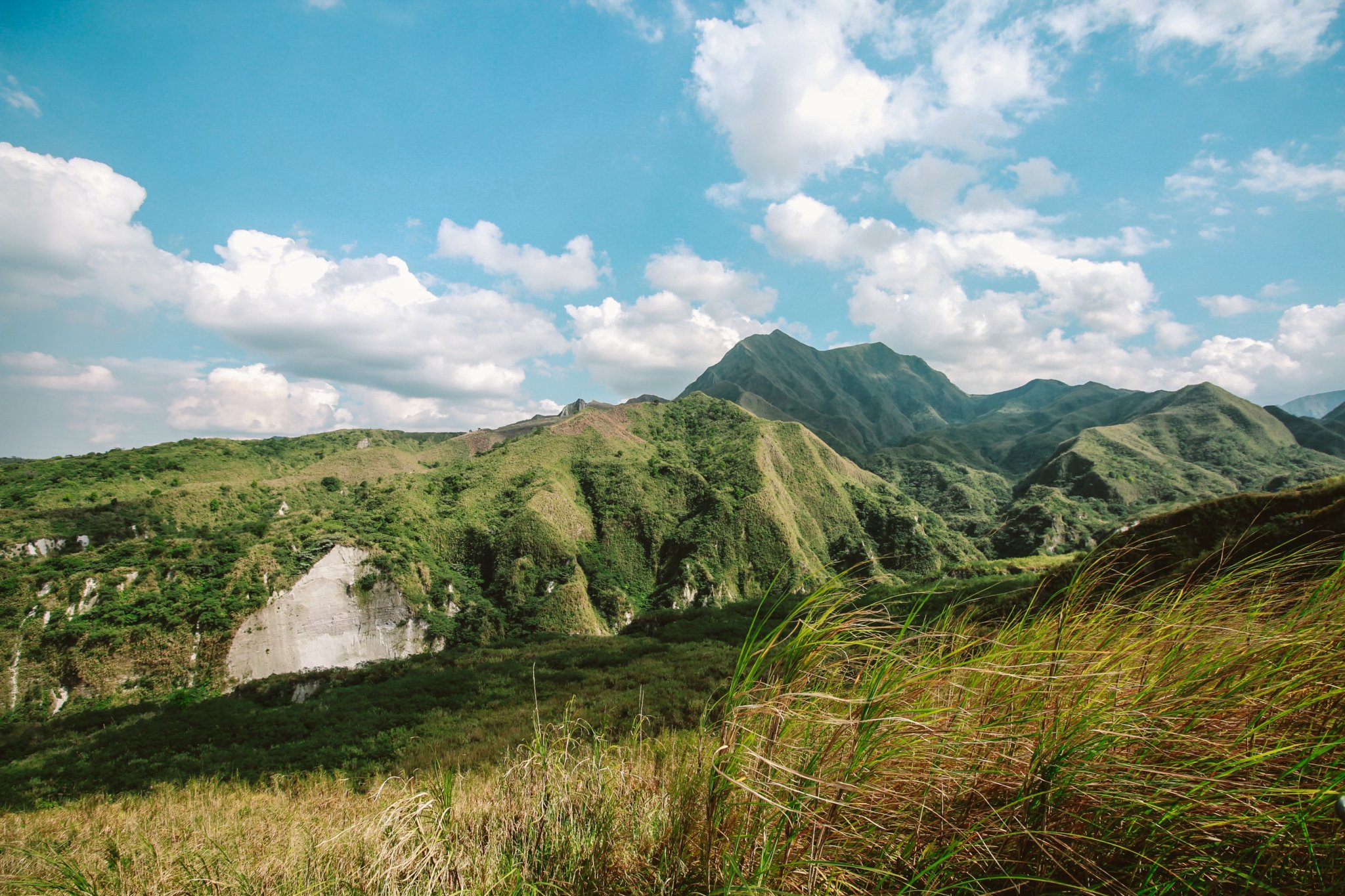
The Pinatubo Crater houses the country’s deepest lake, formed after one of the most significant volcanic eruptions in the 20th century. The crater offers stunning emerald waters nestled within rocky mountain walls.
Image source: Pexels
This natural site continues to mesmerize hikers with its stunning beauty, often described as a magnificent disaster.