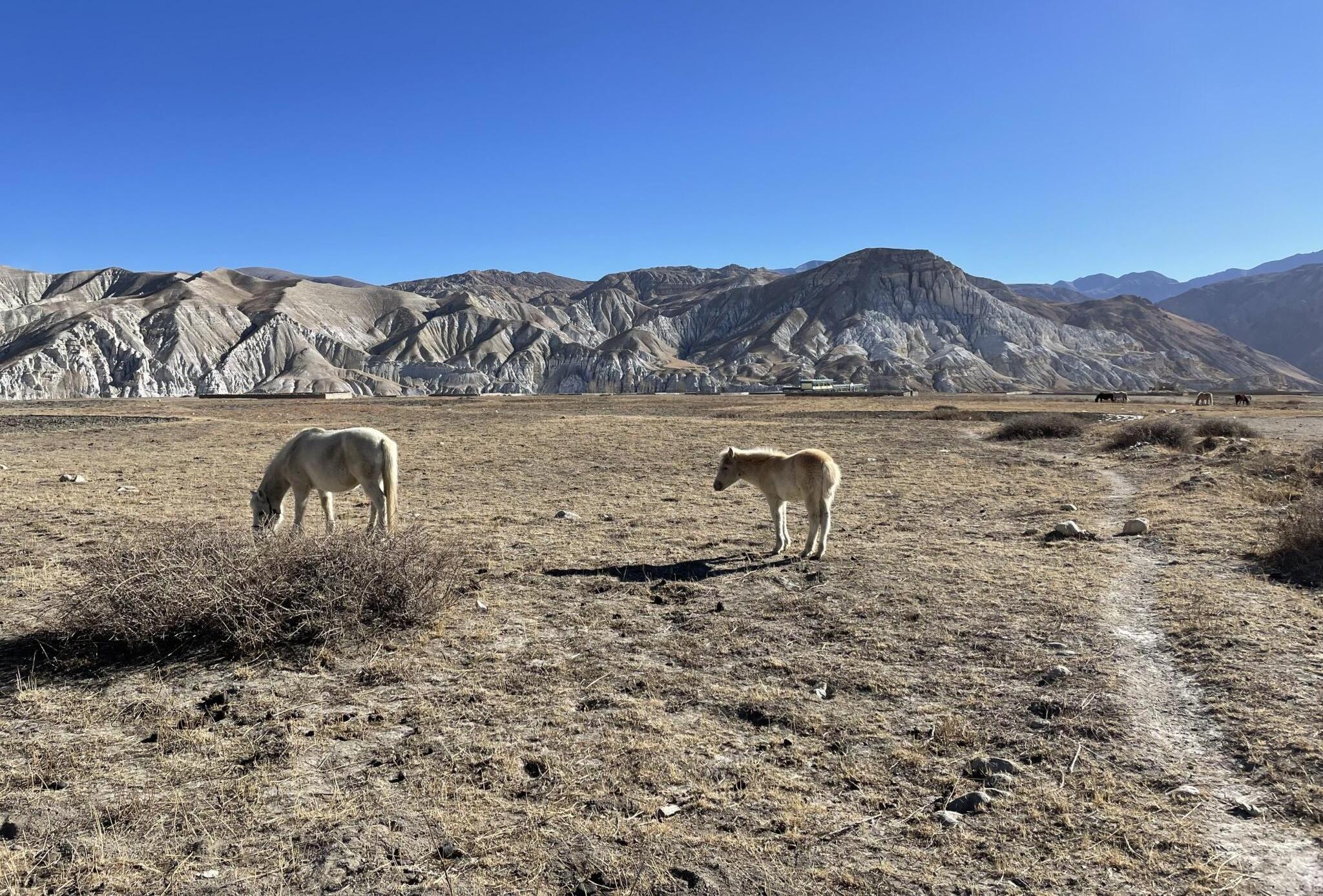

Nepal presents a remarkable variety of landscapes. While many associate the country predominantly with its towering mountains, such as Mount Everest and the Annapurna Circuit, the region bordering India offers a different experience with its lush forests, including rainforests that support diverse wildlife. This unique ecosystem provides an opportunity to truly immerse oneself in nature.
Chitwan National Park, designated a UNESCO World Heritage Site, has drawn wildlife enthusiasts for decades. It stands out as one of the premier destinations for birdwatching, with over 540 bird species recorded, including migratory visitors during the winter season. However, the park offers a plethora of activities and sights. This guide aims to assist you in planning your voyage to Nepal’s inaugural national park.

Best Time to Visit
The optimal period to visit Chitwan National Park is during the winter months, characterized by cooler temperatures, minimal rainfall, and a significantly reduced mosquito population. Conversely, the monsoon season renders travel to this region nearly impossible.
Getting There
The journey to Chitwan involves navigating through mountainous roads, which have recently endured damage from landslides due to severe monsoon conditions. With the changing climate, such weather events may become increasingly unpredictable, resulting in washed-out road sections. Consequently, expect a bumpy and somewhat perilous six-hour journey from Kathmandu.

Accessible options include taking a bus or hiring a driver. Alternatively, there is the option to fly into Bharatpur Airport. Some locals advise against domestic flights due to safety concerns, although this remains subjective.
Travel Tips
Avoid Drinking Tap Water and Consuming Certain Foods
In general, drinking water in Nepal is not safe. It is prudent to carry a filtered water bottle to ensure your hydration is both safe and convenient. One highly recommended choice is the CrazyCap, which employs UV technology to purify water from contaminants.
Exercise Caution at Night
Be mindful when walking around in the evening, as wildlife tends to roam beyond park boundaries, and encounters with wild rhinos have been reported. Therefore, it’s important to remain vigilant and avoid unnecessary risks.
Optimal Ways to View Wildlife
Embark on a Jeep Safari
Participating in a jeep safari with up to 13 guests is an excellent way to spot wildlife, even amidst the tall elephant grass. While numerous species can be observed, many of them are endangered, making encounters particularly rare. For instance, the park is home to only about 128 Royal Bengal Tigers and a limited number of sloth bears.

One of the species you might encounter includes the one-horned rhino, numbering approximately 600 in the park, which is primarily found in Nepal and India. Expert guides will assist in identifying various bird species and indicate the best locations to optimize your viewing experience.

Consider a Jungle Walk
Participating in a walking safari offers an impressive opportunity to observe wildlife up close. Upon entering the forest, the guiding team provides a thorough briefing about potential encounters with elephants, tigers, and sloth bears. Although our group did not face any unsettling encounters, it initially felt daunting to hike in wilderness with such large animals nearby.

The two-hour walk, often accompanied by knowledgeable local guides, allows for increased chances to observe wildlife at various sights. During one of my excursions, I spotted three one-horned rhinoceroses—a female with her calf and a robust male. This clustered sighting is rare but signifies the government’s active efforts in combating poaching and promoting conservation, leading to a gradual recovery of their populations.

For those particularly eager to spot endangered species or seeking a closer connection with the wildlife, a multi-day trek is recommended. This immersive experience includes staying with locals and spending days exploring the jungle, increasing the likelihood of significant sightings.
Take a Canoe Ride

One of the most rewarding experiences during your visit is a morning canoe ride. This unique approach allows for close observation of various bird species in their natural habitat. The canoes used are handmade dugouts, accommodating six to eight passengers, along with a guide and a paddler using a long bamboo pole. The river’s shallow waters, interspersed with swift currents, create an environment that feels safe and serene.

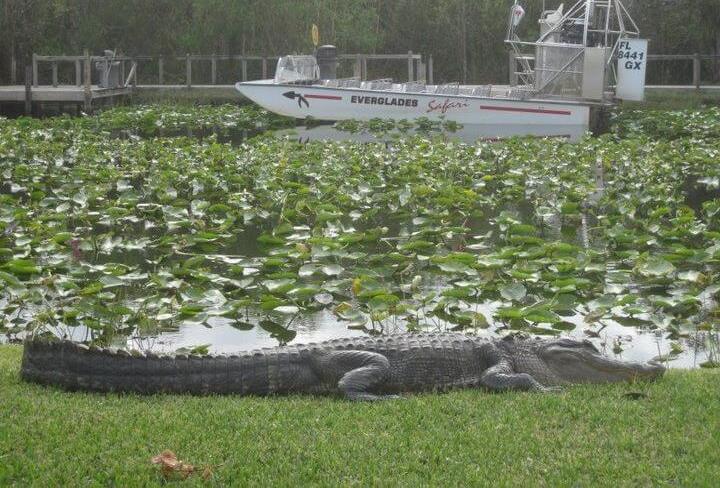
This environment is prime for observing both Gharial and mugger crocodiles, as well as various bird species including peacocks, kingfishers, and herons.

Additional Activities During Your Visit
Explore a Tharu Village
Your canoe ride and jungle walk may also include a visit to a local Tharu village, where residents maintain traditions akin to their ancestors through grass huts and time-honored agricultural practices. While they adapt to modern advancements, a small museum showcases their historical tools and lifestyle.
The Tharu community has garnered attention for their hereditary resistance to malaria, which was historically prevalent in the Chitwan region. Despite the area’s eradication efforts, Tharu individuals exhibited immunity, potentially due to genetic factors.
Visit the Elephant Breeding Center
A vital component of your morning excursion often includes a visit to the elephant breeding center. Initially, I had mixed feelings about observing the elephants, but guides explained that these animals are bred to assist in anti-poaching efforts. Elephants are particularly effective in patrolling vast areas, contributing to a notable increase in rhinoceros, tiger, and other wildlife populations.
Although my concerns centered around their chaining, I later learned from a veterinary expert about their previous chain-free environment. Unfortunately, prolonged rainfall during the monsoon season led to severe foot complications for the elephants, forcing a return to chaining. The necessity of the program persists as long as wildlife requires protection from poachers, raising moral complexities regarding animal welfare versus conservation.
While the initiative is far from perfect and presents significant challenges, the imperative of safeguarding endangered wildlife remains paramount.
Perspective on Elephant Safaris
Many companies promote elephant safaris; however, I believe this is not the most ethical approach. Although riding elephants may provide access to more secluded areas of the park, it often contributes to inhumane practices that should be discouraged by those who advocate for animal welfare.
As conscious travelers, we can influence the demand for such activities. By opting not to partake in elephant rides, we can deter companies from offering them. Sustainable alternatives abound for ecotourism in this breathtaking region, making these rides unnecessary.
Final Thoughts
Chitwan National Park is teeming with diverse mammal and bird species amidst its richly biodiverse landscape. For those keen on rare sightings, consider participating in a multi-day trek to enhance your adventure.
If you appreciate wildlife and seek destinations abundant in biodiversity, venturing into the neighboring country of Bangladesh is highly recommended. It boasts one of the highest biodiversities in the world and presents a worthwhile visit.