
Nestled in the Atlantic Ocean, the Azores Islands comprise a unique collection of destinations, each offering distinct experiences, yet all boasting breathtaking, mostly unspoiled beauty.
Flores Island, a lesser-known gem, has a population of just 4,000 individuals and encompasses an area of 143 km². This island is home to remarkable hiking trails that attract outdoor enthusiasts.
A UNESCO World Heritage Site and a designated biosphere reserve, Flores Island features some of the finest hiking routes globally. Additionally, a short boat ride can take you to Corvo Island, the smallest island and another biosphere reserve, providing endless opportunities for extraordinary experiences.
Pro Tip: Most trailheads are easily located using Google Maps, and the trails are well-marked for convenience.
Lajedo – Fajã Grande
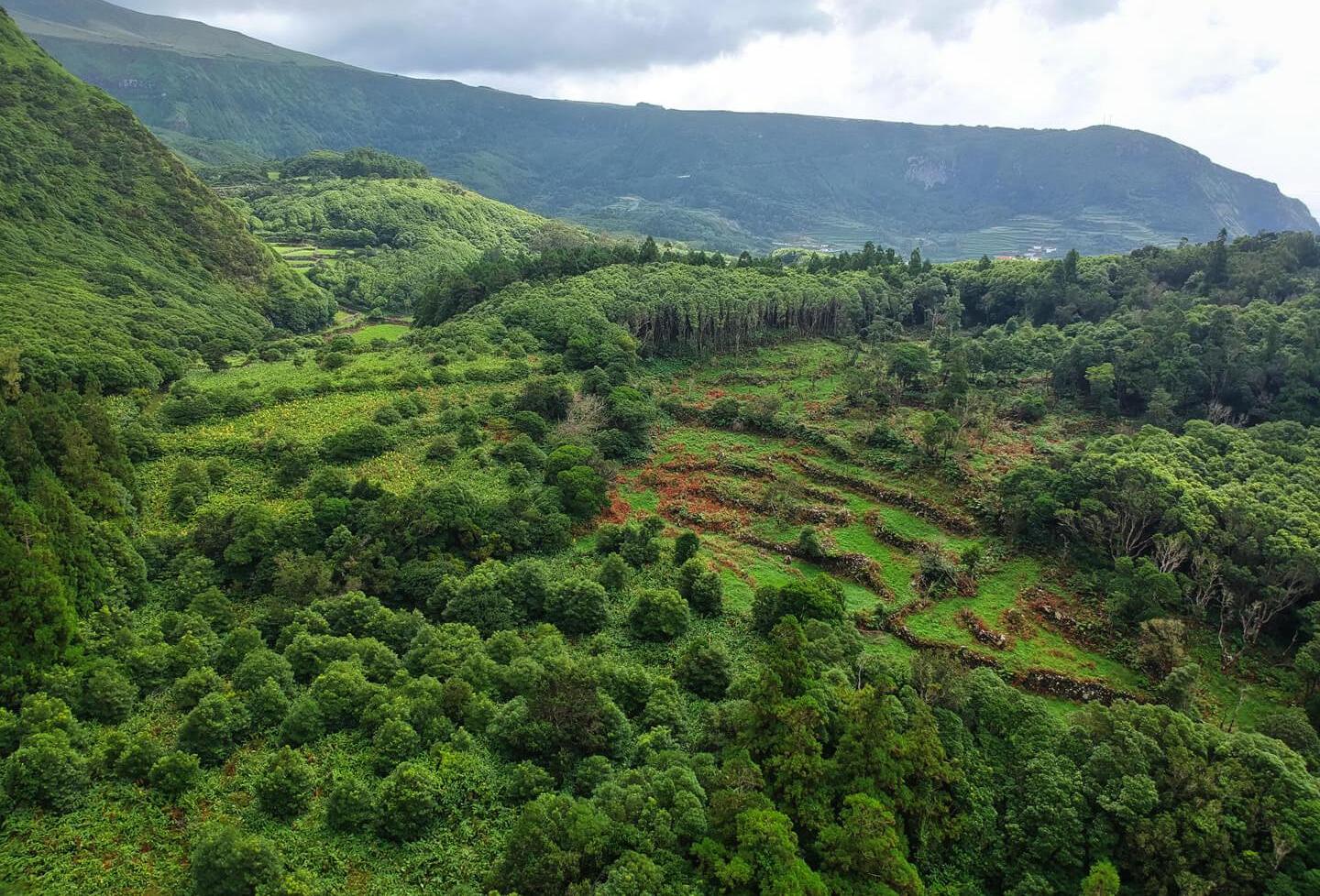
Start your adventure by parking your car near the local post office in Lajedo. This 13.5 km trail, recognized as a medium-difficulty route, is part of the West Coast Trail and the Great Route Flores. As you hike, you’ll navigate terraced fields and small towns, culminating in stunning waterfall views. The aromatic flora envelops you, with the ocean on your left and vibrant greenery on your right.


During the summer months, this trail bursts with vibrant flowers, filling the air with delightful fragrances, making it an ideal time for nature enthusiasts to explore.
Fajã Grande – Ponta Delgada
For those who revel in sheer cliffs, fields of heather, and breathtaking ocean vistas, this trail is perfect. A continuation of the West Coast Trail, this section is significantly more strenuous and remains a favorite among hikers. The journey commences with a steep ascent along the island’s side, offering dramatic views of the sea below.

At the summit, hikers traverse cow pastures adorned with towering heather bushes that occasionally obscure ocean views. The trail also leads to Europe’s westernmost lighthouse, which visitors can explore.

The final leg of the trail, while less dramatic, involves a walk along the tarmac leading into Ponta Delgada, a town where lunch can be enjoyed at O Pescador, a delightful local eatery.
Miradouro das Lagoas
Along Ribeira Grande, the main thoroughfare on the island, lies a lookout point that offers views of Lagoa Negra and Lagoa Comprida. The two lakes, nestled beside one another, can be accessed via a trailhead sign located a short distance down the road.

Initially, this trail may not seem captivating, commencing near the road and shrouded in moisture. Low-lying foliage and fog envelop the path, creating an otherworldly atmosphere.

The trail progresses along a dirt path that ascends to a high vantage point, revealing the valley below that you previously traversed. Continuing over the ridge and descending toward Fajã Grande, stunning ocean views unfold before you.
This portion of the trail is undoubtedly the highlight, where hikers cross through cow pastures—yes, encounters with cows are common. As you approach a sheer ridge, the dramatic descent into Fajã Grande on your left contrasts beautifully with gently sloping fields on your right.
Following a series of switchbacks down the ridge, you’ll finally reach Fajã Grande, where you can enjoy a refreshing beverage and snacks at Obama Cabana, situated along the waterfront.

Fajã de Lopo Vaz
Your journey begins at Parque das Merendes, a charming picnic area surrounded by myricaria trees featuring barbecue pits and restroom facilities. Here, a 45-minute descent leads you to the island’s largest beach.
Along the slick trail, taking switchbacks, you’ll be treated to striking ocean views and glimpses of the beach ahead. However, caution is advised as the terrain can be slippery, especially in inclement weather.

The trail, comprising more than 300 uneven steps, dates back over 500 years. At the bottom lies the island’s oldest settlement, no longer inhabited. Encased by towering cliffs, this beach and settlement area is renowned as the warmest location on the island, sheltered enough to support banana tree growth.

While the area surrounding the few remaining homes is now overgrown, the pathway to the beach remains clear. Although swimming is not advisable due to dangerous water conditions, the large stones and boulders produce a calming ambient sound as the waves wash over them.
The striking contrast between the lush green cliffs and the azure ocean is breathtaking. Nevertheless, the island’s unpredictable weather poses an ever-present risk of sudden rain showers, with limited shelter available. This became apparent during our visit when a torrential downpour occurred unexpectedly, quickly leaving us soaked before clearing again.

Great Route Flores
This comprehensive route combines the initial two hikes mentioned, along with a segment from Ponta Delgada to Santa Cruz. Spanning a total of 47 km, this trail is categorized as hard, rightfully earning its designation. While we did not complete the entire trek, we verified with the local tourist bureau that claims of trail closures were inaccurate, as confirmed by the Azores Trails website .
Conclusion
The Azores offer a plethora of exceptional hiking opportunities across its various islands, ranging from the larger, more frequented São Miguel to the small yet adventure-filled São Jorge. Among these, Flores stands out as one of the most stunning islands I have had the pleasure of exploring, one I would gladly revisit. While compact, it caters perfectly to nature lovers and hikers, thanks to its untouched landscapes, dramatic cliffs, and panoramic views that are simply unparalleled.
To truly experience all that Flores has to offer, consider renting a car to explore the entire island at your own pace. This island is undoubtedly one of the finest locations to discover.