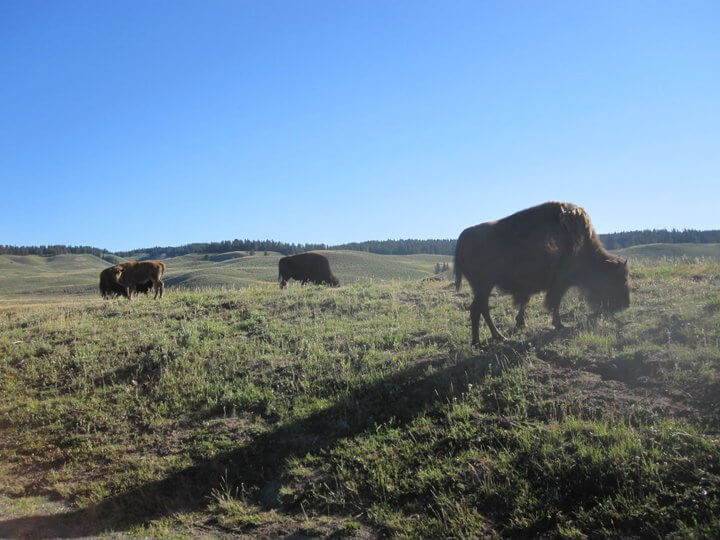
One of the most rewarding experiences in Yellowstone National Park is the opportunity to observe its remarkable wildlife. While there are numerous documentaries detailing the fauna of this iconic park, nothing compares to witnessing these creatures in their natural habitat.
What types of wildlife can you expect to encounter during your visit to Yellowstone, and which areas of the park provide the best viewing opportunities?
Wildlife Viewing in Yellowstone
When seeking to observe wildlife, several factors come into play, ranging from practical safety considerations to insights on where you are most likely to encounter the species of interest.
Safety is paramount; maintaining a safe distance from all wildlife is essential. Wild animals can be unpredictable and defensive, especially when they are with their young. For instance, bison may vocalize or paw at the ground if they feel threatened, and bears may bluff charge. Be particularly cautious during the breeding season for ungulates, as males may be more aggressive. Remember that any animal behavior resulting in harm to humans is a consequence of human error.
The best times for wildlife sightings are often early morning or late evening. Notable hotspots include Hayden Valley and Lamar Valley, where large herds of deer, bison, wolves, and even bears gather, drawing photographers and nature enthusiasts alike.
Large Mammals
Wolf Packs
Yellowstone’s wolves are a testament to successful conservation efforts. Once widespread across North America, wolf populations declined drastically due to habitat loss and systematic extermination. In 1973, the northern Rocky Mountain wolf was designated as endangered, with Yellowstone becoming one of three recovery zones. Between 1995 and 1997, 41 wild gray wolves were relocated from Canada and Montana to the park.

Thanks to these conservation initiatives, gray wolves in some states have been delisted. Nonetheless, human-related deaths remain a significant threat, alongside diseases like distemper and mange. The return of wolves has restored balance to the Greater Yellowstone ecosystem, as they are keystone species that regulate other mammal populations.
American Bison
Arguably the most emblematic animal of Yellowstone, the bison often draws crowds of onlookers and can create traffic delays. While they may appear docile, they are among the most dangerous animals in the park, responsible for multiple human fatalities each year due to negligence. It is essential to differentiate between bison and buffalo; the former are native to North America, while the latter inhabit Africa—a common misconception.

These resilient creatures thrive in harsh conditions and exhibit considerable strength, especially during mating season. Despite their similarities to domesticated cattle, approach with caution, as they will not hesitate to defend themselves if threatened.
Bears
Bears might seem like the park’s most dangerous inhabitants; however, they are often more fearful of humans than vice versa. As long as you avoid startling bears and give mothers with cubs ample space, encounters are typically safe.
Studies suggest that during warmer months, bears tend to follow flatter paths created by hikers as they search for food. Visitors may encounter both black bears and grizzly bears throughout the park. Adhering to park regulations regarding bear behavior is vital, as any provocation can have tragic consequences.
Moose
Moose are unique creatures that resemble a large deer with an elongated face. While they are primarily herbivorous and uninterested in humans, males can be aggressive, so it’s essential to maintain a safe distance.
Experiencing a moose in its native habitat can be a memorable occasion. These animals might be spotted near hiking trails or, as in some lucky instances, right outside your accommodation.

Elk
Elk, another member of the deer family, are notable for their distinctive white rumps. These animals form herds and can frequently be seen grazing in grassy meadows or even in populated areas of the park.
The elk population is one of the largest in Yellowstone, and their presence is a common highlight for visitors.

Unfortunately, both elk and moose are at risk from chronic wasting disease, which can severely impact their populations.
Mountain Goats
To see mountain goats, you will need to venture to higher elevations. However, these goats are not native to the Yellowstone area and are believed to be affecting the local bighorn sheep populations negatively. They were introduced in the 1940s and established in Yellowstone in the 1990s. These animals can typically be spotted in the northeastern and northwestern regions of the park.
Deer Species
The park is home to two main deer species: the mule deer and the white-tailed deer. These beautiful creatures are relatively common and can often be encountered on hikes.
Mountain Lions (Cougars)
Mountain lions are apex predators native to the Yellowstone area. While they were also affected by culling efforts with wolves, these secretive animals managed to survive. Since the 1980s, their population has rebounded, with numbers estimated between 34 and 42, plus a few seasonal visitors.
Encounters with mountain lions are rare, but if you do see one, remain calm, stay together in a group, and make noise to discourage their approach.
Small Mammals
Red Foxes
With their charming demeanor, foxes are a favorite among wildlife observers. In winter, they can be seen listening for prey beneath the snow, while summer offers opportunities to see mothers with their pups.
These clever animals have been known to pilfer food, so keep belongings secure to avoid unwanted surprises.

Long-tailed Weasels
These adorable mammals are often spotted in lush meadows and forests. They are solitary creatures, so sightings may be sporadic; early mornings or dusk provide the best chances for an encounter.
Yellow-bellied Marmots
One of Yellowstone’s largest rodents, marmots thrive in alpine environments. They hibernate for approximately eight months and are most active during the early morning and late afternoon.
Snowshoe Hare
Commonly seen in the Norris Geyser Basin, snowshoe hares prefer dense forests and riparian areas. Though mostly nocturnal, proper planning can help maximize your chances of spotting one.
Pika
The pika, a small mammal related to rabbits, is an important ecological indicator species, often overlooked by visitors. Despite their diminutive size, they play a key role in their environments and are worth seeking out.

Though spotting a pika can be challenging, they are often found in the Mammoth and Tower areas. Their territorial behavior and affinity for rocky terrains make them elusive yet fascinating.
Bird Species
Yellowstone is home to around 300 documented bird species, with approximately 150 nesting in the park. Its diverse habitats support a wide range of migratory birds. Currently, there are three species of concern under monitoring: the trumpeter swan, the golden eagle, and the common loon.

Long-term monitoring allows the park staff to assess how climate change affects sensitive bird species. The Yellowstone bird program focuses on various species, including raptors like bald eagles and peregrine falcons, as well as wetland birds and songbirds.
Species of Amphibians
Yellowstone hosts five amphibian species, crucial for both aquatic and terrestrial ecosystems. These include the western tiger salamander, boreal chorus frog, western toad, Columbia spotted frog, and the plains spadefoot toad.
Monitoring these species is essential, as they are indicators of ecosystem health. Most species are abundant, and some can be observed in substantial numbers during breeding seasons. For further insights, visit the NPS Amphibian page .
Species of Fish
Yellowstone is home to 12 native fish species. The Yellowstone cutthroat trout is the predominant species and serves as a vital food source for numerous birds and mammals.
Concluding Thoughts
If you’re visiting Yellowstone for hiking or to explore its fascinating volcanic activity, take the time to experience the incredible diversity of wildlife that inhabits this national treasure.
This area is a haven for wildlife enthusiasts and should be an integral part of your exploration of Yellowstone National Park.