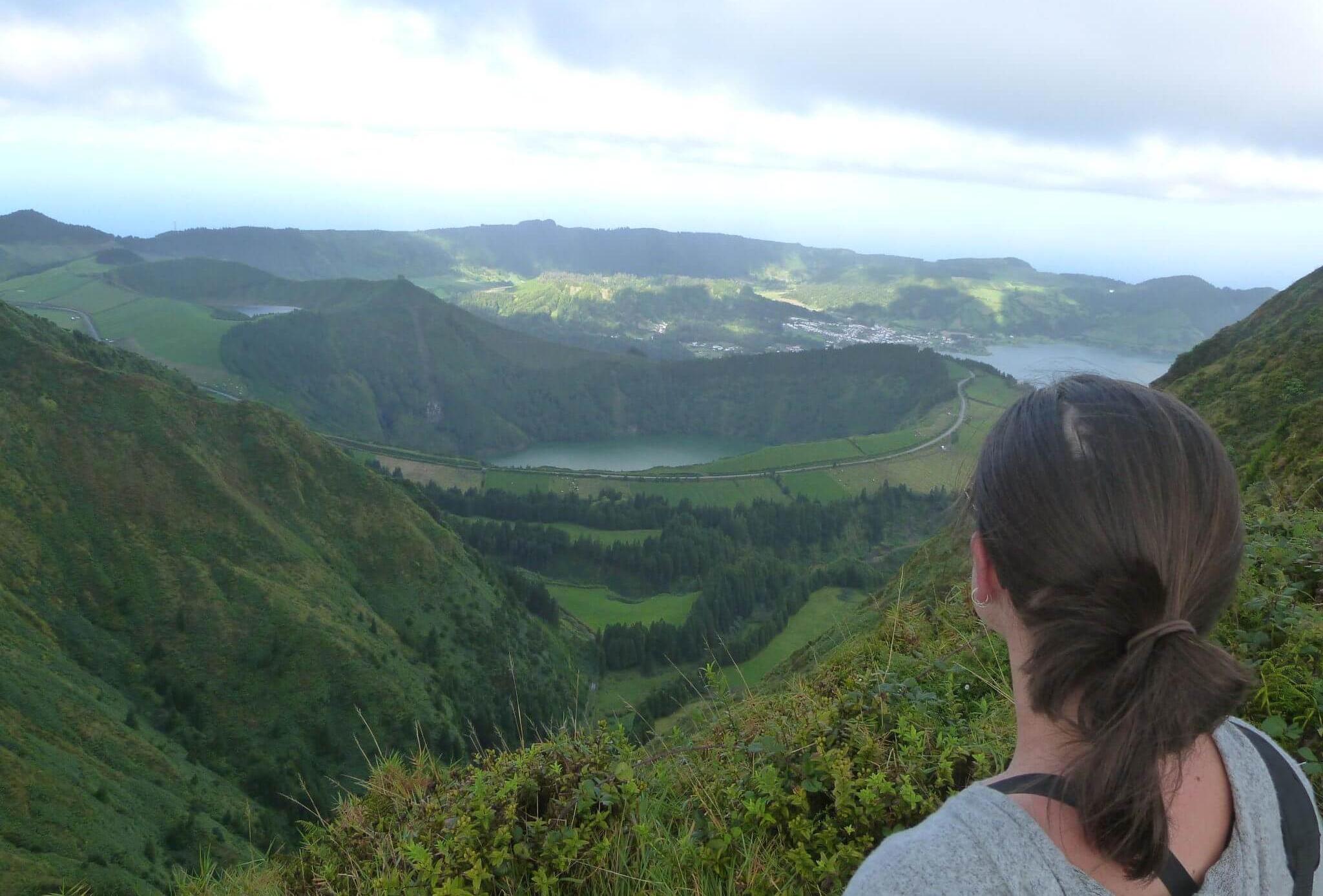
The Island of Flores serves as a hidden gem among the nine Azores Islands, captivating visitors with its unspoiled beauty and a modest population of just 4,000 across 143 km 2 . This verdant destination boasts some of the finest hiking trails, showcasing lush fields of heather, towering cliffs, and serene lakes formed by volcanic activity.
The West Coast Trail spans approximately 24 kilometers, commencing from Lajedo in the south and concluding at Ponta Delgada in the north. Renowned as one of the premier hikes on the island, the trail now extends to Santa Cruz on the eastern side, significantly enhancing its appeal. Undoubtedly, the most breathtaking vistas are found along the West Coast Trail.
Hikers have the option to tackle the trail in one continuous journey or divide it into segments, with Faja Grande providing an ideal overnight stop prior to reaching Ponta Delgada. My companions and I chose to complete the trek over two days, allowing ample time to immerse ourselves in the island’s natural splendor.
Optimal Times for Hiking the West Coast Trail in Flores
Flores can be explored year-round, although the summer months are particularly favorable, marked by blooming flowers and reduced rainfall. My visit occurred in the fall, prior to the heavy rains yet still with the potential for sporadic showers.
In autumn, weather can be unpredictable; sudden rain showers may occur, quickly followed by sunshine. Hence, it is advisable to pack a rain jacket and waterproof footwear to ensure comfort and preparedness.
Part 1: Lajedo to Faja Grande
Parking your vehicle at the local post office in Lajedo, you begin your journey through the town towards the official trailhead. This section of the trail is a 13.5-kilometer one-way path of moderate difficulty with minimal elevation gain. The trail is exceptionally well-marked with red, yellow, and white blazes.
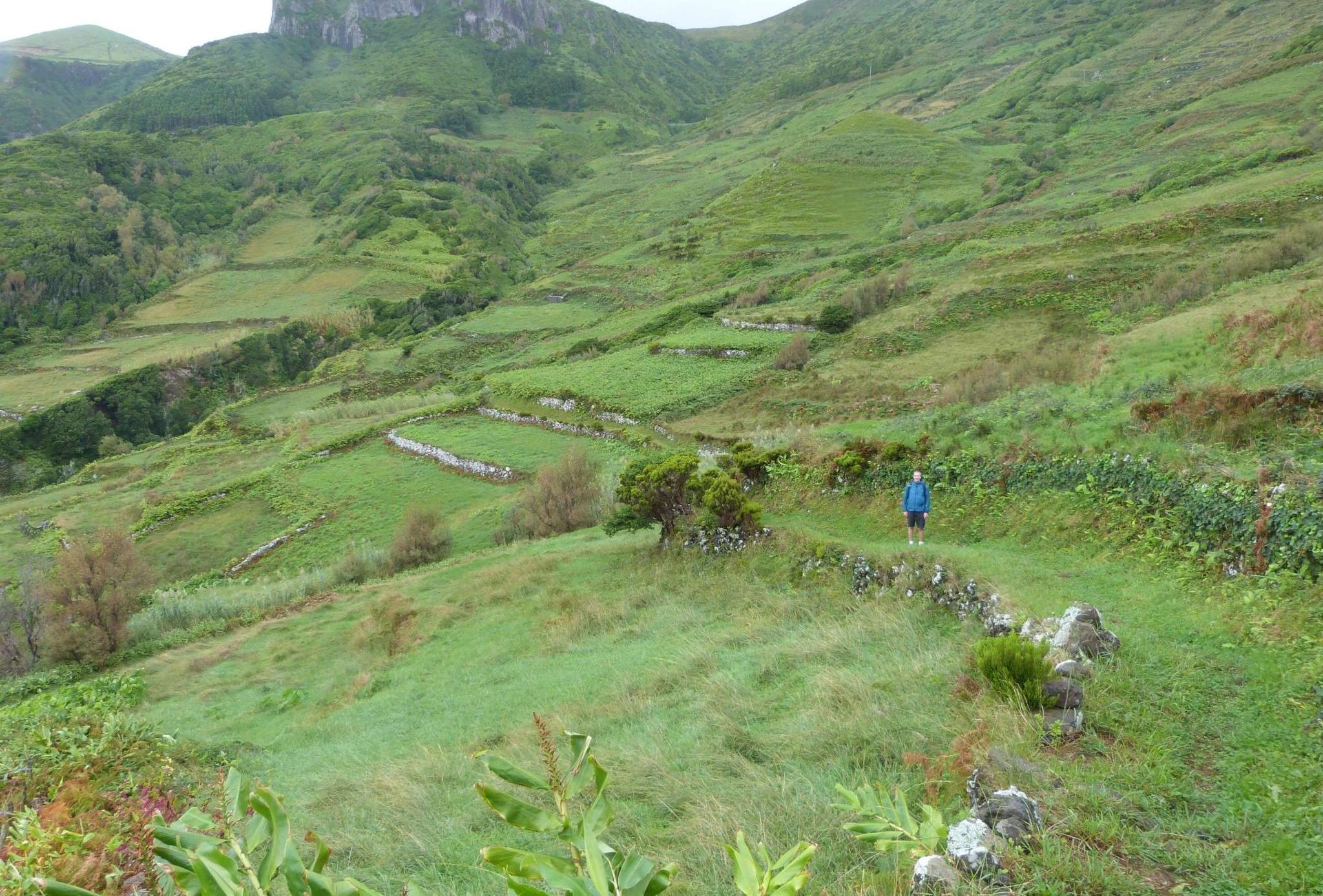
Upon embarking on the trail, you will find yourself enveloped in greenery, with soft pastures underfoot, terraced cattle fields, and stunning ocean views to your left.

The trail meanders into cool, humid tree cover, providing a welcome relief during unexpected showers. Typically narrow and challenging for two hikers to pass each other, the lack of foot traffic ensures an intimate experience with nature.
During spring and summer, the trail bursts into color with a variety of flowers, from pink belladonna lilies to the Azores Butterfly lily. The delightful scents and vibrant hues enhance the sensory experience as one explores the elevations of the trail.

Entering the town of Mosteiro, the path winds through the quaint area, veering left onto a paved street. This tranquil village features charming stone homes and a picturesque town center, complete with the iconic church typical of the region. Water fountains are commonly found near the church, providing a refreshing refill opportunity.

As you depart the town, the landscape transitions back to lush pastures, with a stunning segment featuring one of the island’s most photographed areas. A brief detour leads to a lookout point showcasing the numerous waterfalls cascading down the cliffs surrounding Fajazinha—a must-see highlight.

October and later may witness increased rainfall, but this precipitation often gives rise to splendid rainbows. The mild climate offers a pleasant experience, as even brief showers do not impede your exploration.
Fajazinha features a larger town center with an iconic church, charming fountains, and a single restaurant that, while highly recommended for its authentic Azorean cuisine and picturesque ocean views, operates on irregular hours. Planning based on these hours is advisable.
Upon our arrival, the restaurant was closed, but it’s famous for serving some of the best homestyle Azorean dishes, with stunning ocean vistas. It’s a perfect viewing spot to appreciate a sunset. If dining there during your hike proves unfeasible, a return visit to enjoy the atmosphere and cuisine at Por do Sol is always an option, with the island’s compact size facilitating an easy drive back.
From Fajazinha, you’re now on the last leg towards Fajã Grande. Before proceeding along the waymarked trail, a brief detour to the main road leads to some of the island’s most breathtaking waterfalls. Initially, I mistook this excursion as part of the main path, but it was a delightful surprise.

This extraordinary spot is not to be overlooked! The ascent through the damp forest was among my favorite parts of the trail, trekking over cobbled stones, albeit with care due to the slippery terrain. The moisture creates a unique experience, as the entire path feels enveloped in water.

Once you’re back on the designated trail (a short distance past the waterfall side trail), you will traverse a dirt road suitable for vehicles. Concluding your hike, the path winds down through picturesque pastures towards Fajã Grande.
The patchwork of verdant pastures interlaced with ancient rock walls creates a visually appealing landscape for travelers to enjoy.
Fajã Grande marks the end of the first day’s hike unless you choose to tackle the entire trail in one outing. As one of the largest towns on the island, it offers various options for post-hike dining or drinks—consider visiting Obama Qubana for a refreshing beer and perhaps indulge in their delicious blood sausage. Here, we arranged for a taxi to return us to our car.
Speaking in Portuguese, the owner informed another patron who relayed the message in English—that taxis only operate from Santa Cruz, requiring planning due to higher costs. Instead, he called his brother to shuttle us back to Lajedo.
The three of us squeezed into his compact red pickup truck, which was brimming with tools in the back. As we maneuvers down the winding roads, our host pointed out landmarks, warmly speaking in his native tongue. Despite minor vehicle discrepancies, it was evident that a deep-rooted affection for their island radiated from the Flores locals.
After a small communication mix-up, he dropped us at the trailhead, ensuring we understood the route. We expressed our sincere gratitude before making our way back through Mosteiro to retrieve our vehicle.
In the course of our trip, we spotted our friendly taxi driver at the cabana, enjoying drinks with friends despite the rain—exemplifying the strong sense of community found in Flores. However, our journey continued with Part 2 of Flores’ West Coast Trail awaiting exploration.
Part 2: Fajã Grande to Ponta Delgada
The continuation along the West Coast Trail leads you to the northern section, renowned for its dramatic cliff views, arguably the most stunning portion of the entire trek. Following the initial hike from Lajedo to Fajã Grande, the trail proceeds towards the quaint town of Ponta Delgada, which I will address later.
Encompassing a total distance of 24 kilometers, the West Coast Trail extends from Lajedo to Ponta Delgada—this northern segment is my personal favorite.
Departing from Fajã Grande, you may opt to take a brief walk to Ponta da Fajã, or you can park near the church in Ponta da Fajã, as we did. The stretch between the two towns lacks any notable attractions, consisting primarily of tarmac roads, which are less thrilling for hikers.
Stepping onto the trail in Ponta da Fajã, you will instantly begin your ascent along steep oceanic cliffs. Those with a fear of heights may want to reconsider this section; however, as a self-proclaimed acrophobe, I found it manageable.
The vistas are far too remarkable to ignore.

This segment presents a more demanding challenge than the first half of the West Coast Trail, involving a considerable amount of climbing up the cliff face. After navigating along the edge of the cliffs for a while, you will veer right, embarking on an ascent through wooded areas and dense foliage.
Some trails in this section are equipped with handrails and steps, although I advise caution when relying on them due to their condition.
The path coils around the cliff’s edge, forging its way upward to what feels like the pinnacle of the world. The breathtaking scenery throughout this journey surpasses anything previously witnessed; it is a spectacle that leaves a profound impression.

Upon reaching the summit, the terrain levels out, presenting opportunities to encounter groups of cows leisurely grazing along the cliff’s edge. These gentle creatures are more startled by you than vice versa, providing a quaint touch to the scenic backdrop.

The subsequent segment leads you through expansive fields of heather, some of which stand impressively tall, towering over you. Encountering this magnificence in October, I can only dream of the vibrant purples and pinks that would unfold in spring and summer.
During this stretch, you will also catch sight of a remarkable lighthouse, noteworthy for being the westernmost lighthouse in all of Europe. The sight, however, is somewhat daunting due to the absence of railings that could prevent a mishap. To remind visitors of the potential risk, a cautionary sign is displayed nearby; thus, it’s essential to keep a close watch on children.

Continuing on, the vegetation gradually envelops you as the descent towards Ponta Delgada begins, marking the conclusion of your hike. However, this last segment can be slightly anticlimactic after the stunning earlier views, as you traverse tarmac roads leading into the town.
Upon arriving in Ponta Delgada, you are presented with several choices: relish a meal at the town’s only restaurant, O Pescador, arrange for a taxi back to Fajã Grande, or proceed along the newly extended trail towards Santa Cruz.
Ultimately, the direction of your journey remains at your discretion.
For those planning a trip to the Azores, ensure you are adequately prepared for your hiking adventures!