For thrill seekers who relish challenging their limits on perilous hiking trails, the United States offers an extensive range of hiking experiences. If you are interested in exploring America’s most dangerous hikes, the following list serves as an excellent starting point.
Spanning from Denali National Park in the west, home to the highest mountain in North America, to the east coast’s White Mountains in New Hampshire—where Mount Washington records the highest wind speeds—this guide encompasses some of the most challenging terrains. This compilation is not exhaustive, but it will undoubtedly initiate your adrenaline-fueled adventure.
Grand Canyon National Park
Bright Angel Trail
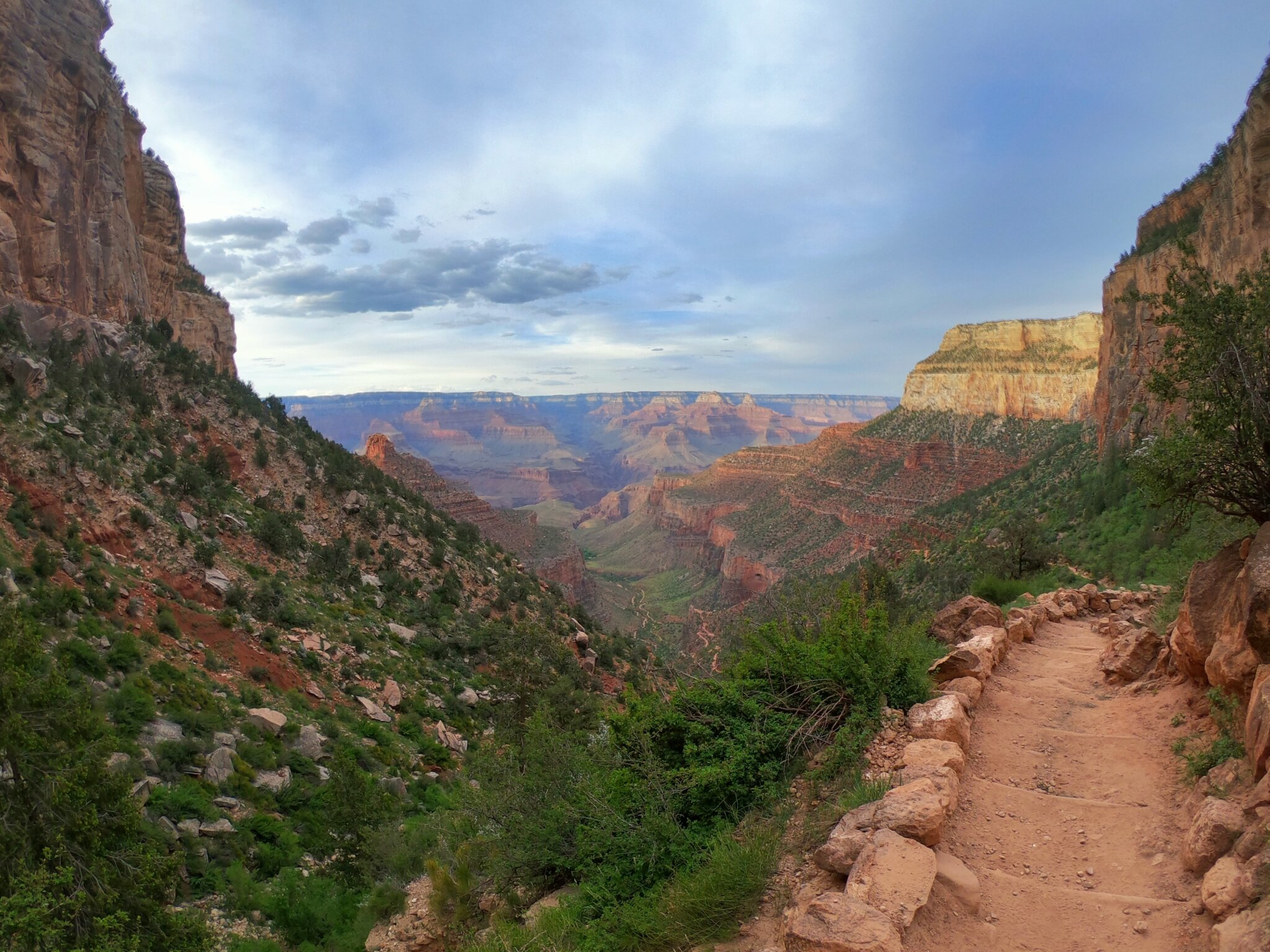
The Bright Angel Trail ranks among the most frequented hikes in Grand Canyon National Park, yet many hikers underestimate its difficulty. This well-maintained trail allows visitors to encounter mules transporting gear. Depending on the desired distance, a round trip to Havasupai Gardens measures approximately 9 miles (14.4 km) with an elevation change of 3,040 feet (925 m). The initial segments feature several switchbacks, but the real challenge arises on the return ascent.
What renders this trail particularly treacherous is the extreme summer heat in Arizona, where temperatures can escalate to 120 degrees Fahrenheit, leading to a high risk of heat-related illnesses. It is advisable to undertake this hike in early spring or fall to mitigate exposure to extreme heat. Additionally, certain segments of the trail are characterized by loose rock, necessitating careful navigation.
Zion National Park
Angels Landing
Angel’s Landing is an iconic hike renowned among outdoor enthusiasts. Due to its popularity, a permit system has been instituted for the final ascent. Unfortunately, accidents have resulted in fatalities due to falls from the steep drops along the trail. A chain system is provided on one side for stability; however, the trail can become congested. The hike involves an elevation gain of 1,488 feet (453 m) over a 5.4-mile (8.7 km) path, with the actual Angel’s Landing trail comprising only a half-mile section.

Mount Washington
The Presidential Traverse takes hikers across New Hampshire’s highest peaks, with Mount Washington being the tallest of them all. While reaching the summit by vehicle is an option, the experience is significantly enriched by hiking. This trek, although not immediately perceived as hazardous, has claimed 150 lives due to its unpredictable weather patterns and intense winds. This arduous climb over a rocky landscape is certainly a dangerous undertaking.

Depending on the chosen route, the hiking distance varies. From Gorham, a recommended base for White Mountains adventures, a round trip spans 7.9 miles. Alternatively, from Pinkham Notch, the distance is approximately 4.2 miles. Staying overnight at the Lake of the Clouds Hut, only half a mile from Mount Washington, is highly advisable.
Mount Katahdin
Mount Katahdin in Maine’s Baxter State Park is a premier hiking destination, yet it presents significant challenges. The Knife Edge section of this hike is particularly intimidating, often inducing severe vertigo among climbers. This 1.1-mile rock scramble features sheer drops, making it a narrow and perilous path at an elevation exceeding 4,900 feet.

Yosemite National Park
Mist Trail
The Mist Trail is an iconic pathway within one of America’s most renowned national parks. The hike to Vernal Falls is a 3-mile (approximately 5 km) round trip, while a trek to Nevada Falls extends to 7 miles round trip. The hike is classified as medium to strenuous, with the most challenging segment leading up to Nevada Falls.
The primary hazard on this trail arises from slippery rocks. Therefore, maintaining footing and adhering to the trail is crucial, especially since the spray from the falls creates treacherous conditions.
Kalalau Trail
Situated on the Nāpali coast of Kauai, the 11-mile one-way Kalalau Trail is a must for backpackers. Many hikers typically turn back before completing the trek, and a permit is required for camping at designated sites such as Hanakoa or Kalalau.

This trail poses numerous dangers, including the potential for flash floods with little warning, falling rocks, and sheer cliffs with loose and slippery terrain. Numerous hikers have lost their lives here, and the remoteness of the area complicates rescue efforts. While the Kalalau Trail is often celebrated as one of the most beautiful hikes in the United States , it is crucial for novices to recognize that it may not be suitable for their first experience. A high level of fitness is necessary, given the steep elevation changes.
Glacier National Park
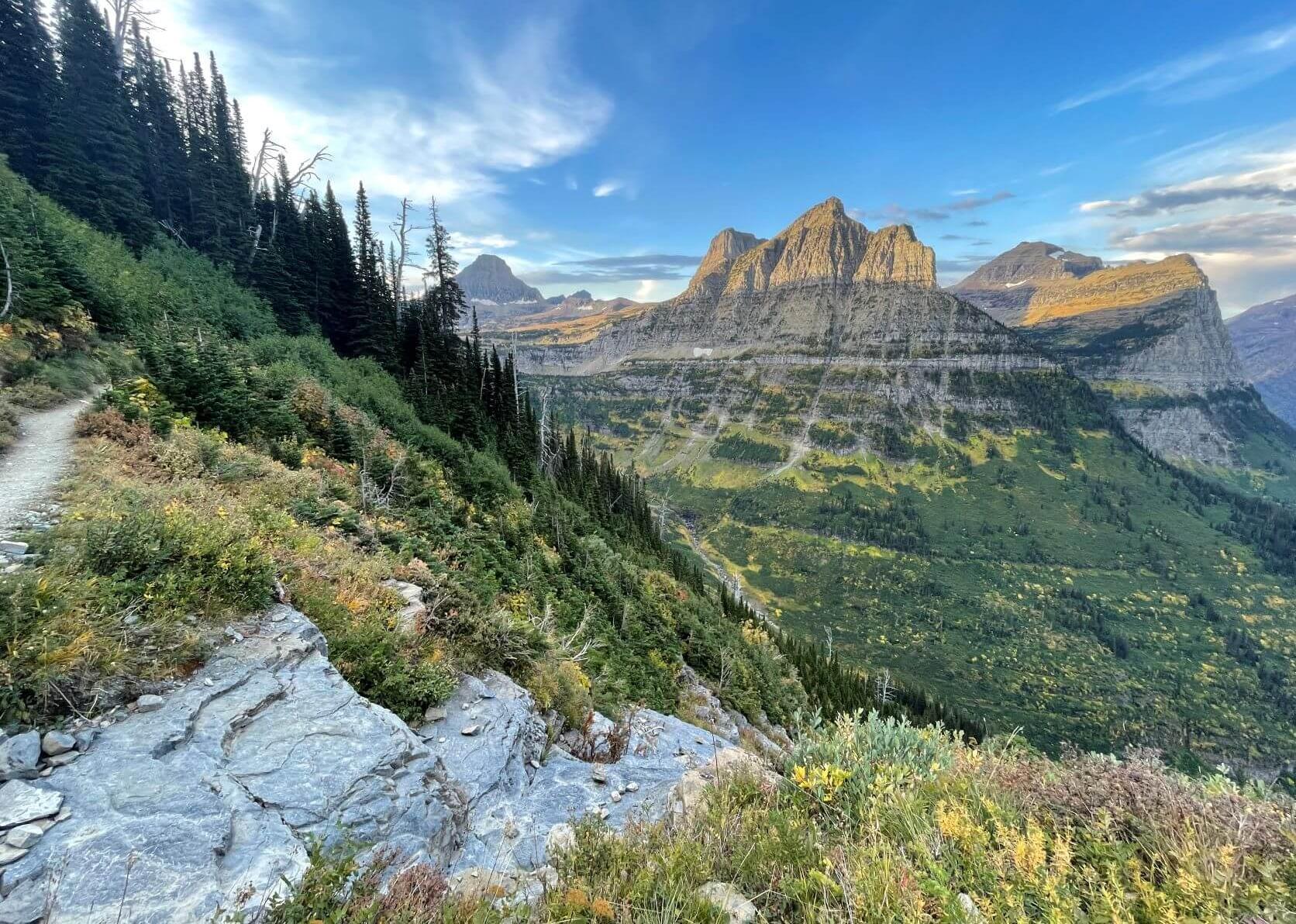
Glacier National Park boasts an exceptional variety of hiking opportunities, earning it a reputation as a premier destination for nature enthusiasts. However, the proximity to wildlife, particularly grizzly bears, introduces significant risks. Encounters with bears are often exacerbated by human negligence, such as careless food storage or littering, which can lead to dangerous situations.

Glacier National Park hosts the highest density of grizzly bears in any national park in the contiguous United States. Hiking with bear spray and making noise while trekking is strongly advised; however, refrain from using speakers. Many of the top hiking trails in Glacier, including the Highline Trail and Avalanche Lake Trail, feature outstanding backcountry hiking opportunities and accommodations.
Denali National Park
To conclude this list, we must include Denali, the tallest mountain in North America at 20,310 feet (6,190 m). This challenging trek is characterized by rapidly changing weather, remoteness, and risks associated with altitude sickness.

While numerous guiding companies facilitate climbers in navigating the risks, the trek remains strenuous and necessitates specific skills, including self-arrest techniques. Proper preparation is essential. For those seeking to build their mountaineering experience, ascending Mount Rainier in the Pacific Northwest or tackling some of Colorado’s fourteen-thousand-foot peaks can provide valuable training. Tragically, fatalities have occurred on Denali, underscoring the need for thorough preparedness.
Concluding Thoughts
The aforementioned hikes rank among America’s most perilous, yet they are also some of the most demanding and rewarding treks available. Each offers stunning vistas in breathtaking natural environments, providing ample opportunities for unforgettable photography. It is clear why many adventurers take the risk to explore these extraordinary trails.