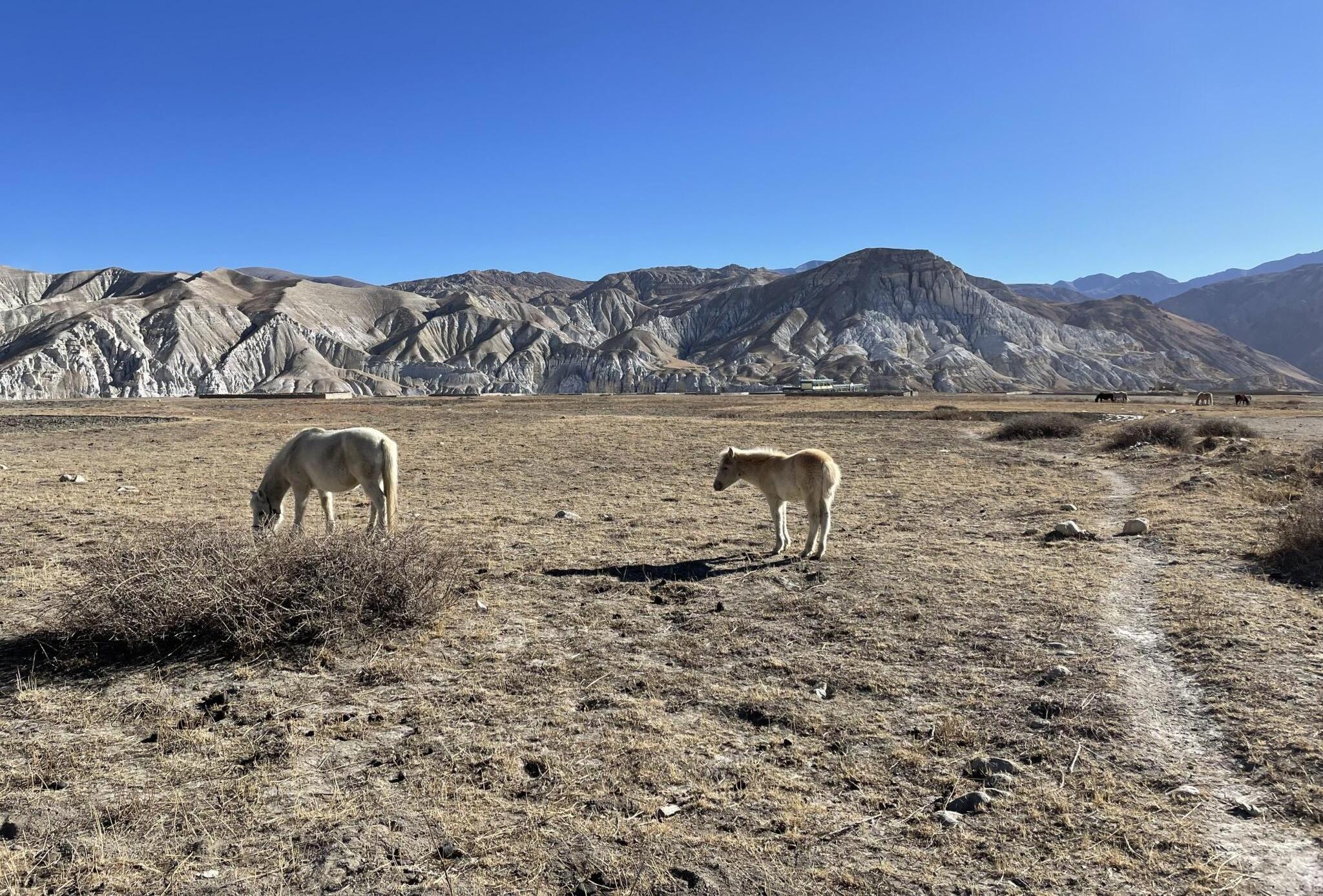
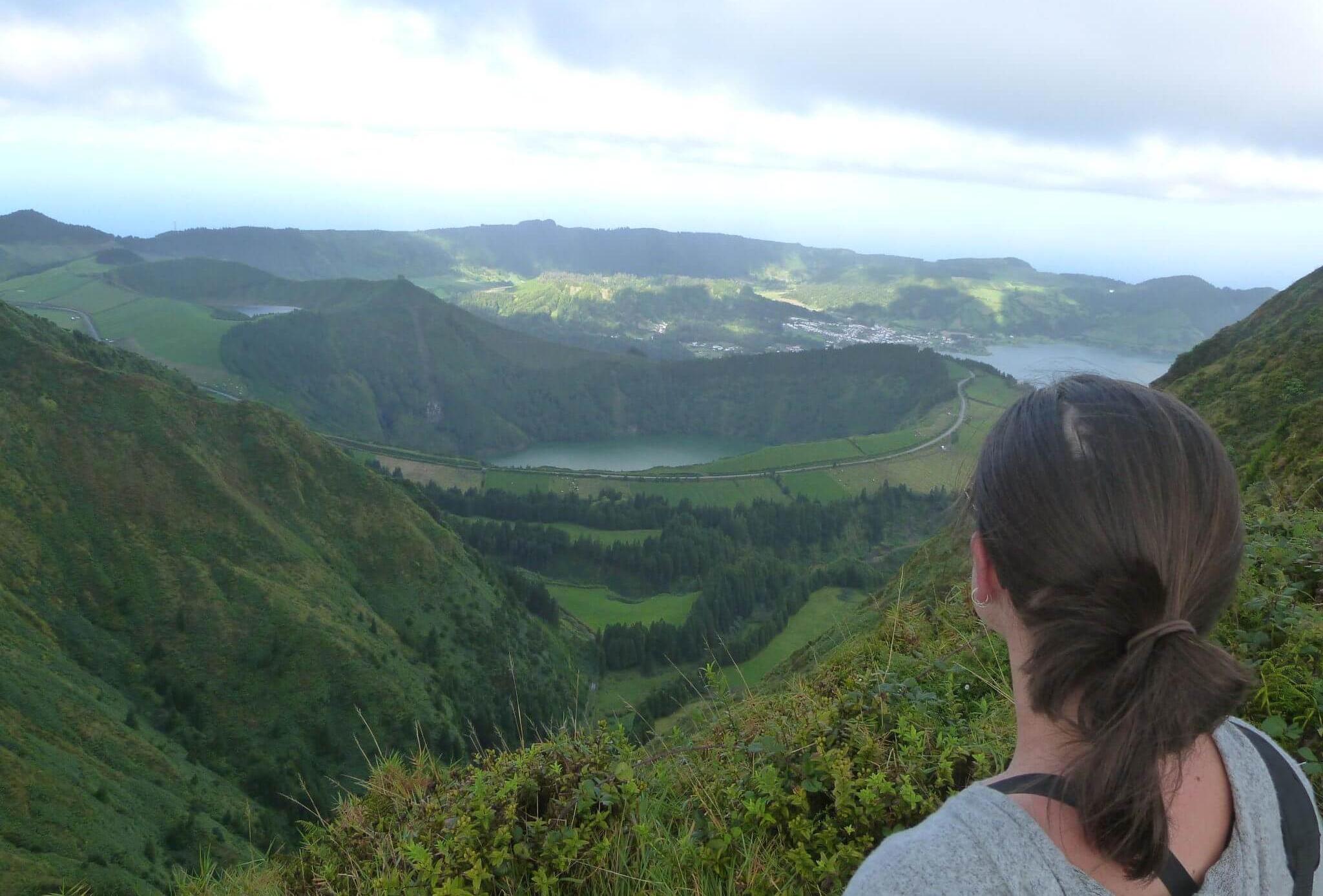
Summer is the prime time for visiting Kyrgyzstan, with major trekking and hiking routes becoming accessible from late June through September. Although this is the peak travel period, tourist crowds are minimal outside the most popular destinations. This is an excellent time to participate in various Community-Based Tourism festivals focused on horse sports, epic storytelling, and traditional eagle hunting practices.
Contrarily, winter is often overlooked by international travelers, although it attracts locals who recognize its charm. From late December through February, skiing in resorts around Bishkek and Karakol becomes an appealing alternative to summer visits. Although high-altitude yurt camps are closed during this time, visitors can still immerse themselves in local culture by engaging in rural felt workshops or witnessing eagle hunting demonstrations.
Reaching Bishkek’s Manas airport from the US typically involves one-stop itineraries via major cities like Beijing, Dubai, or Istanbul. For travelers from the UK or other European nations, additional connecting flights may include stops at various locations such as Almaty or Tashkent.
Many visitors also opt to arrive overland as part of broader Central Asia travel plans, although closures in certain borders mean that entering from China, Kazakhstan, or Uzbekistan presents the simplest crossing options. It is advisable for travelers to depart in the morning when crossing near major cities, to avoid long waits.
Many travelers rush to the nearest trailhead for extensive hikes or horseback rides, eager to experience the captivating blend of alpine scenery and rich pastoral traditions. Picture yourself sleeping at 3000m with an unobstructed view of a sparkling night sky, sharing fermented horse milk with your hosts, and riding alongside shepherds during their tranquil herding routines.
Escape to Lake Son-Köl
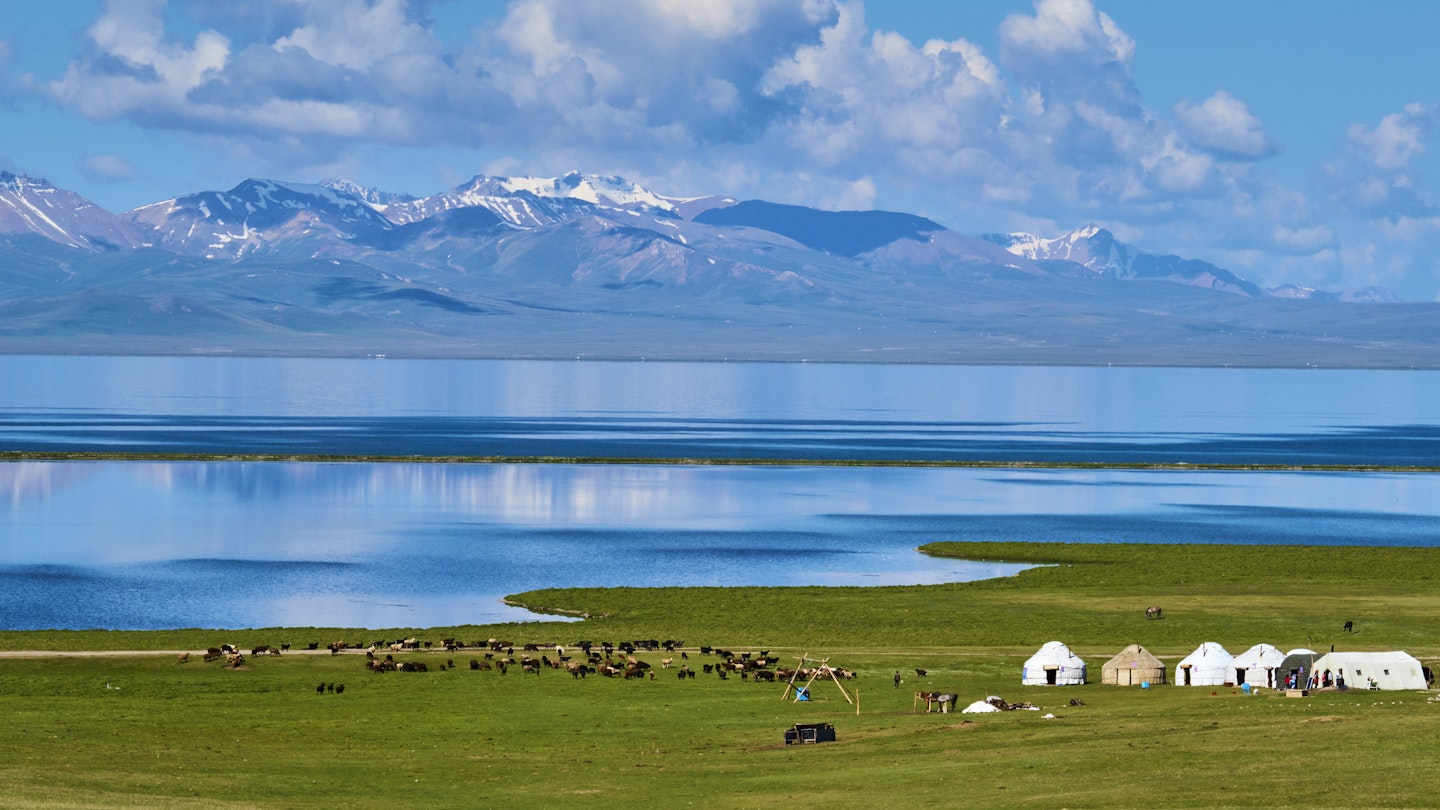
For those with limited time, a swift trip to Lake Son-Köl serves as an ideal introduction to Kyrgyzstan’s great outdoors. Here, the play of natural light against the expansive lakeshore and idyllic mountain scene, devoid of urban noise and communication distractions, provides a refreshing escape. Additionally, opportunities for a brisk swim or horseback riding along the serene waters enhance the experience.
Camp at Issyk-Köl and Hike the Ala-Köl Pass
Extend your adventure by adding a few days to explore the area around Lake Issyk-Köl, which could involve staying at a yurt camp or camping on a secluded beach. Alternatively, make your way to Karakol to embark on a two- to three-day trek across the challenging 3907m Ala-Köl Pass, where breathtaking views of the lake and towering 5000m peaks await.
Loop Around the South of Kyrgyzstan
If your travel time in Kyrgyzstan extends beyond a week, consider embarking on a remarkable loop through Naryn and Kazarman in the south. This journey can include stops in the beautiful walnut forests of Arslanbob or “southern capital” Osh, followed by trekking in the Alay Valley, returning to Bishkek through the picturesque Sary Chelek Lake and Suusamyr Valley.
A Unique Kyrgyz Experience
One of the most unforgettable locations in Kyrgyzstan is Sailmaluu Tash, a secluded mountain valley near Kazarman accessible for only a short window each year. The valley boasts a rich tapestry of nature, but what truly sets it apart are the “Embroidered Stones.” Thousands of engraved basalt slabs scattered throughout the area feature up to 10,000 petroglyphs dating back to the third millennium BCE. Every step tells a visual story, creating a compelling narrative that weaves through history, celebrating ancient Kyrgyz traditions.
How Much Money Do I Need to Travel in Kyrgyzstan?
Traveling in Kyrgyzstan generally feels economical for visitors with stronger currencies, as the Kyrgyz som typically converts at a rate of 80–90 som to $1 in recent years. Transportation will likely represent the most significant expense, whether through private drivers or simple point-to-point car hire for trailheads not serviced by public transport.
Expected average daily costs are as follows:
Hostel bed: from 700 som
Family guesthouse bed: from 1000 som
Bed in a tourist yurt camp: from 1500 som
Hotel room for two: from 3500 som
Intra-city bus ride: 20 som
Bus Bishkek–Karakol: 580 som
Private car Bishkek–Karakol: from 8000 som
Samsa from a street stall: from 100 som
Chuchuk horse sausage: from 700 som
Restaurant dinner for two: from 1200 som
Espresso-based coffee: from 220 som
Beer/pint at the bar: from 180 som
What Should I Pack for Kyrgyzstan?
No matter the season, packing plenty of layers is essential. Given the high altitudes found throughout the country, including popular destinations like Son-Köl, weather conditions can fluctuate dramatically within hours, so also prepare for the possibility of rain and snow.
What Languages Are Spoken?
While English is primarily common within the tourism sector or among educated urban residents, travelers proficient in Russian will find it easier to navigate. However, learning a few simple Kyrgyz phrases will not only facilitate communication but also delight locals. Here are some key phrases to get started: