Highest mountain in Portugal Mount Pico
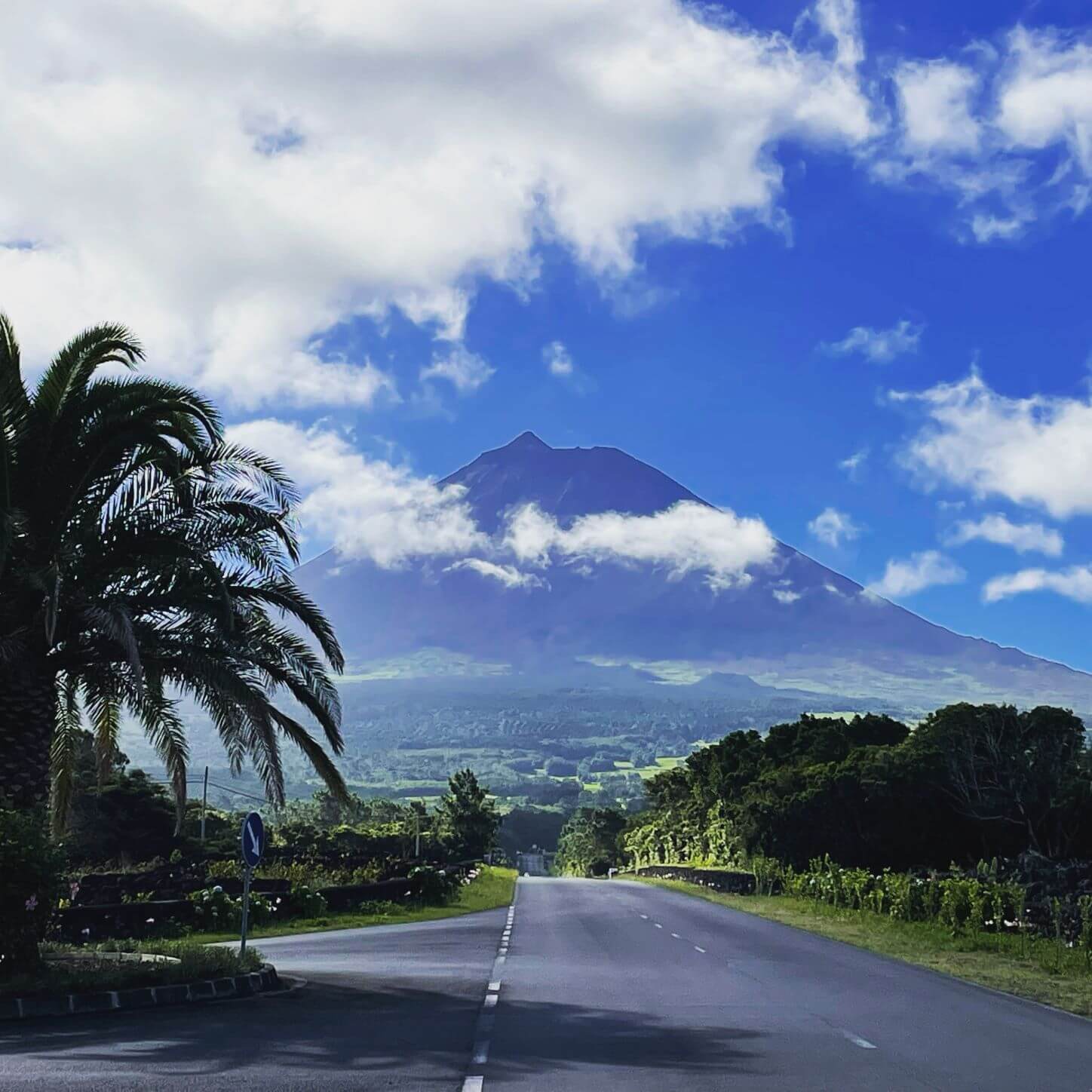
Mount Pico, situated on Pico Island, is the pinnacle of Portugal at 7,713 feet (2,351 meters) and ranks as the third tallest volcano in the Atlantic. These remarkable stats attract avid hikers to this stunning mountain and contribute to its popularity among visitors to the Azores Islands. The breathtaking views and physical challenges it presents further elevate its allure.
This guide aims to assist you with effective planning for your ascent of Mount Pico, whether you choose to navigate the journey independently or alongside local guides.
The Key Information
Mount Pico rises to an impressive height of 2,351 meters (7,713 feet).
The round trip can take between 7 to 9 hours on average, with the hike typically lasting up to 9 hours. In our experience, we completed the trek in 6 hours, including a lunch break in the crater.
The trail spans 3.9 miles (6.3 kilometers), making it a challenging out-and-back trek.
Your starting point will be the Casa da Montanha (mountain house) at an elevation of 1,200 meters, where ample parking is available. Alternatively, you may take a taxi from Madalena. This location is also ideal for checking the most current weather conditions for the day.
Along the official trail, there are 47 markers. The section between the first and second markers typically takes around 30 minutes; subsequent markers are generally spaced about 5 minutes apart. Following this route aids in reaching the summit of Pico Mountain, and visibility of the next marker will assist in staying on path, apart from the initial stretch. While the pathway is not strictly defined, the goal is generally to navigate from one marker to the next without straying too far off course.
The mountain house operates 24 hours a day; however, upon our arrival at approximately 6:30 am, the staff was still asleep and advised us to wait for daylight to assess conditions on the mountain (given the high winds on our climbing day, safety was a concern). Starting early is advisable to ensure ample time for both ascent and descent.
The mountain restricts access to 160 visitors at a time, with a daily cap of 320, necessitating early reservations during peak summer months.
Advance reservation is required. You may reserve online after selecting a suitable day. The fee amounts to 25 Euros per person, with an additional charge for hiring a guide, which must also be reserved ahead of time due to group size limits.
Your Arrival
On arrival, you will check in and receive a briefing on hiking expectations. The staff will confirm you have sufficient water and snacks, along with inspecting your footwear.
Additionally, you will be provided with a tracker, which is a valuable safety feature. In the Mountain House, a large screen displays each hiker’s location based on tracker data. Should you stray from the trail, the staff can reach you through the tracker. In case of injury or emergency assistance, the tracker allows for contact. Remember to return the device upon completion, as failing to do so will incur a fee.
From there you will head out the back door and start your journey up the mountain.
The Ascent
The challenges of this hike stem not only from the elevation gain but also from the unpredictable weather and the trail’s composition. Being a volcano, the terrain consists of volcanic rock, which can easily scrape the legs if brushed against.
The loose rocks present a considerable risk, especially on the descent, requiring vigilance to avoid accidents. I learned this the hard way, sustaining a considerable bruise after a fall during my descent.
3.9 mile trek up and back
Initially, the trail is well-trodden and easy to follow, which facilitates the first segment, where the distance between the first and second markers takes about 30 minutes to navigate. Following this, visibility of the markers ensures you’re on track, provided the weather is favorable.
This creates an engaging challenge of continuously spotting the next marker and reaching it as you ascend.
The Crater and Peak (Pequeno)
The 46th marker is positioned at the rim of the volcano’s crater, with the 47th located within it. Upon reaching the crater, hikers have the option to relax or continue an additional 20 minutes to summit Pequeno, the smaller peak, which presents the most significant challenge of the climb.
This area is where hand assistance is especially useful. At the summit, a cement block marks the highest point, offering sweeping 360-degree views on clear days.
As a volcano, fumaroles emit warm air from the summit, contributing to the unique landscape.
A Note on Weather Conditions
Mountains are known for creating their own weather patterns. Thus, scrutinizing the weather forecast in advance and on the day of your ascent is crucial. Choosing an optimal day for your hike is essential as even seemingly clear forecasts can lead to adverse weather on summit day. Awareness of seasonal weather patterns is also important, particularly during winter months when rainfall is prevalent. Summer is typically the prime time for a visit.
On our hiking day, the forecast indicated clarity in the morning, but clouds developed as the day progressed. Indeed, the descent was shrouded in thick mist, and the moisture meant we were drenched by the time we reached the base.
Consequently, dressing appropriately and bringing a reliable windbreaker or rain jacket is vital.
Assessing the Difficulty Level
This hike is classified as difficult, not solely due to the elevation but also because of the rugged terrain and variable weather conditions.
A reasonable level of fitness is necessary to undertake this climb. Experience with hiking and elevation changes is beneficial; however, caution is still warranted—a lesson I learned the hard way. Wind gusts exceeding 45 miles per hour, coupled with loose rock, resulted in several slips during the hike.
Weather on Mount Pico is unpredictable
Mountain staff recommend avoiding the ascent to Pequeno if wind conditions are excessively harsh, as it poses a significant danger. Interestingly, the scramble up Pequeno offers some protection from the wind, while the peak presents a different challenge altogether.
Is a Guide Necessary?
While you have the option of hiking Mount Pico independently or with a guide, navigating without assistance is feasible on clear days. However, guides possess in-depth knowledge of the terrain and provide invaluable support if conditions deteriorate or visibility diminishes.
Hiring a guide incurs an additional cost, and their services typically involve group coordination. Thus, if you prefer a solitary pace, this may not be the ideal choice for you.
Reflecting on the experience of identifying marker locations during my descent, it’s clear that a guide could simplify the process considerably.
Essential Items to Bring
Considering the nature of the hike, be sure to include the following items in your pack:
1½ – 2 liters of water
Snacks or lunch (ideally both)
Rain jacket or windbreaker (essential for changing weather)
Layered clothing (temperatures can drop at higher elevations)
Headlamp (based on your start and finish time)
Small first aid kit (a prudent addition for any hike)
Hiking poles (recommended for stability on challenging terrain)
ID and reservation confirmation
Hat and gloves (beneficial for cold, windy conditions)
Overnight Camping on Mount Pico
Spending the night in Mount Pico’s crater is another option. Once onsite, you will notice designated camping areas where rocks have been cleared.
This overnight option is also available with or without a guide, though bringing extra gear such as a tent, sleeping pad, and bag is mandatory. The cost to camp is approximately 120 Euros.
Typically, you would start your hike in the afternoon, around 4 PM (where a headlamp proves useful). This unique experience allows you to witness the sunrise from the summit of Portugal’s tallest mountain.
Final Reflections
Climbing Mount Pico is undeniably a formidable challenge, a true testament to the endurance expected of those who undertake it. Every mountain hike reminds me of nature’s grandeur and its forces, be it on the rugged terrains of New Hampshire’s 4,000 footers, Maine’s Mount Katahdin, or the daunting Mount Pico. This humility reinforces the importance of physical preparation and self-awareness before embarking on such endeavors.
The experience of reaching the summit of Mount Pico is unforgettable, characterized by stunning vistas that will leave you yearning for more adventure, perhaps alongside a refreshing beverage afterward.