
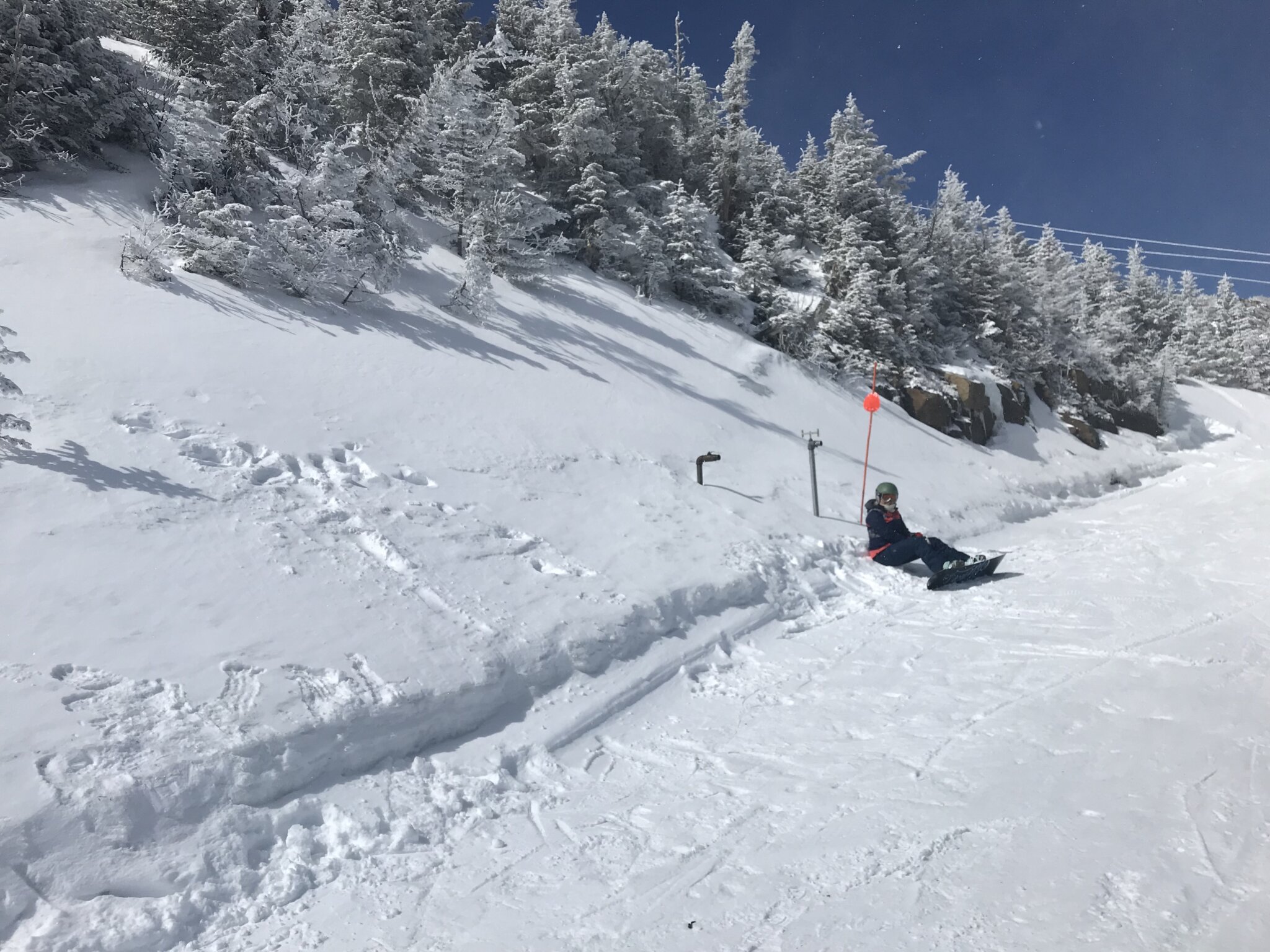
Understanding Your Snowboard Stance
Snowboarding has evolved significantly since its inception, leading to the emergence of various riding styles that necessitate different stances. Factors such as your choice of board, whether you adopt a regular or goofy stance, and your skill level ultimately dictate your binding angle.
Finding the ideal stance is largely a matter of personal preference. Generally, your natural stance, along with the angle of your feet, should feel comfortable, creating a sense of balance and confidence while riding. Experiment with various angles to discover what feels most natural for you.
Understanding Binding Angles
Your stance generally features your dominant foot at the front, directed towards the nose of the board, while your back foot is positioned near the tail. If your bindings are set perpendicular to the board, this is considered a zero angle. Most riders will adopt some degree of angle; a positive angle indicates that your foot is angled toward the nose, whereas a negative angle signifies that your foot is angled towards the tail.
Typically, the front binding will have at least a slight positive angle, while the back foot may exhibit a positive, zero, or negative angle based on your riding style and comfort. It is advisable to avoid overly steep angles, as excessive torque can lead to knee injuries.
Stance Angle for Beginner Riders
Beginners commonly adopt a slight duck stance, which features a positive angle on the front binding and a negative angle on the rear. A wider stance generally enhances stability, positioning the feet slightly wider than shoulder width.

A duck stance, paired with a slightly wider stance, provides a solid foundation for beginners. As you progress in your ability to utilize your heel and toe edges, you may transition to a more aggressive stance with larger angles for deeper carves.
Stances for Advanced Riders
In the advanced stages of snowboarding, your stance will align with your riding style and board type. Freeride boards, characterized by their flexibility and maneuverability, are ideal for terrain parks and allow for switch riding (transitioning from regular to goofy footed).

Riders inclined towards terrain parks might opt for a slightly wider stance and a duck position to facilitate riding switch and landing jumps effectively. In contrast, directional boards are better suited for powder riding, as the stance is generally set back to elevate the board’s nose in the snow.
Most Common Stances
Depending on your riding style, you will either adopt a set-back posture as noted with directional boards or a slightly widened stance using a duck angle or a positive-positive configuration (both bindings angled toward the nose).
Generally, a fully forward stance should be avoided, as it increases the likelihood of the board’s nose catching in the snow. Instead, a slightly positive forward stance is recognized as more aggressive and is predominant among advanced riders.
Choosing the Right Snowboard Bindings
When selecting new bindings, it is crucial to consider your riding style. For comprehensive insights, refer to resources discussing the best all-mountain freeride bindings for the year. Some riders may prefer traditional bindings over snap-in options due to difficulty in securing them, which could pose a risk during falls.
Concluding Thoughts
Advancements in snowboard technology have been remarkable, and your bindings constitute a crucial aspect of your equipment. While they may not be as visually striking as your board or outerwear, the correct bindings and stance can significantly enhance your riding experience.

Ultimately, your chosen angle will depend on various factors; thus, it is essential to experiment with different riding styles to identify the stance that best complements your technique.
Looking to discover the right mountain for your next adventure? Explore the top snowboard mountains in Utah or, if you prefer Colorado, visit the renowned Vail Mountain for an unforgettable experience.