ethical travel to Mauritius
*This is a collaborative post
Mauritius is renowned for its stunning natural beauty, characterized by lush landscapes, azure oceans, and pristine white sands. Over the past four decades, the island’s appeal has attracted an increasing number of tourists, which, however, leads to significant challenges such as waste, pollution, and degradation of its natural environments. To mitigate these effects, it is crucial for visitors to prioritize sustainable practices during their trips.
Below are four effective methods for environmentally conscious travel in Mauritius.
1. Support Nature Reserves and Wildlife Parks
Mauritius boasts numerous nature reserves and wildlife parks dedicated to the conservation of its unique flora and fauna. Visiting these sites not only contributes financially to their preservation efforts but also enhances your understanding of the local ecosystem.
The Black River Gorges National Park, located on the island’s western coast, features a variety of marked trails perfect for hiking and exploration. La Vanille Reserve des Mascareignes, situated in Rivière des Anguilles, is home to Aldabra tortoises and the endemic Mauritian bat.
For the adventurous soul, Casela Nature Parks offer activities such as ziplining and safari tours. Additionally, Ile aux Aigrettes, a small island off the southeast coast, features a comprehensive conservation program that educates visitors about efforts to protect endemic species.
2. Choose an Eco-Friendly Resort
Selecting eco-friendly resorts that prioritize sustainability is another impactful choice. These establishments focus on sourcing local produce, minimizing waste, and reducing energy consumption.
Staying at an eco-conscious resort contributes to a sustainable experience and supports businesses committed to environmental stewardship. If a dedicated eco resort isn’t feasible, consider resorts that actively promote sustainability and reflect on how you can reduce resource consumption during your stay, such as:
Opting out of single-use toiletries provided in hotel bathrooms
Requesting that towels are not laundered daily
Limiting the use of lights and air conditioning in your room
3. Wear Reef-Safe Sunscreen
Many conventional sunscreens contain harmful chemicals detrimental to marine life, particularly coral reefs, which are already vulnerable to threats. It is advisable to use sunscreens that contain physical UVA and UVB filters, such as zinc oxide and titanium oxide, commonly referred to as mineral sunscreens.
Photo by Matteo Catanese on Unsplash
These sunscreens function by forming a physical barrier on the skin, effectively reflecting harmful rays instead of absorbing them, as is the case with chemical alternatives. By switching to mineral sunscreen, you can contribute to the protection of Mauritius’s stunning coral reefs while enjoying the water.
4. Travel in the Low Season
Traveling during the low season offers multiple sustainability benefits. These include:
Spreading resources across fewer visitors over an extended period, thus easing pressure on local infrastructure.
Distributing waste and pollution more evenly to mitigate acute damage to ecosystems and wildlife.
Sustaining local communities that depend on tourism for their livelihoods.
During low season, tourist-dependent businesses often face staff layoffs or unpaid leave, negatively affecting the local economy when incomes dwindle. A more balanced flow of visitors throughout the year allows businesses to provide more consistent employment opportunities.
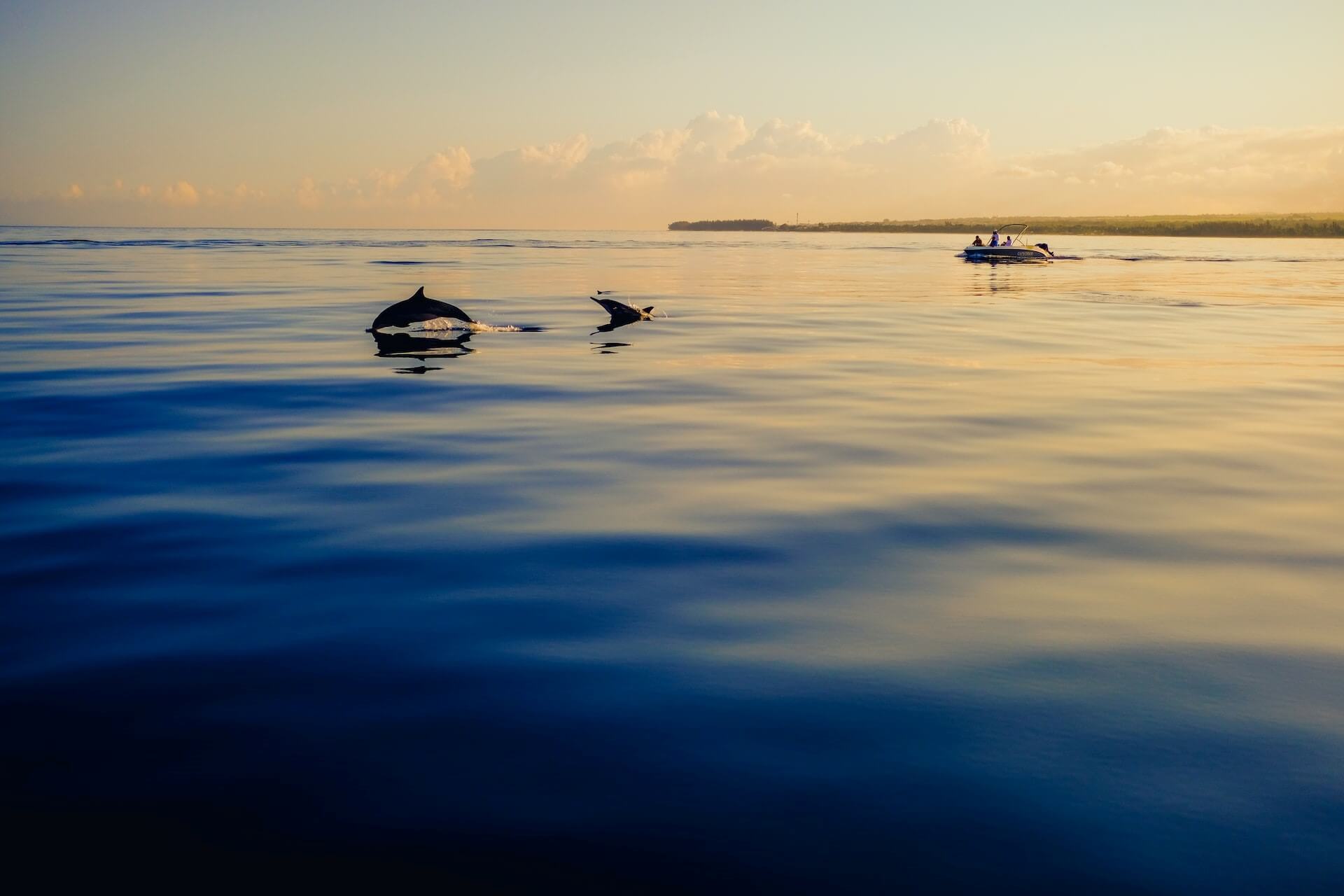
For Mauritius, the low season spans from May to September, with temperatures ranging from 22 to 26°C, ensuring pleasant weather for outdoor activities and swimming.
Photo by Focus Photography Mauritius on Unsplash
Protect Mauritius with Sustainable Travel
Embracing sustainable travel practices is essential for preserving the allure of Mauritius for future generations. By making informed choices during your visit, you contribute to the conservation of the island’s diverse landscapes and unique wildlife.